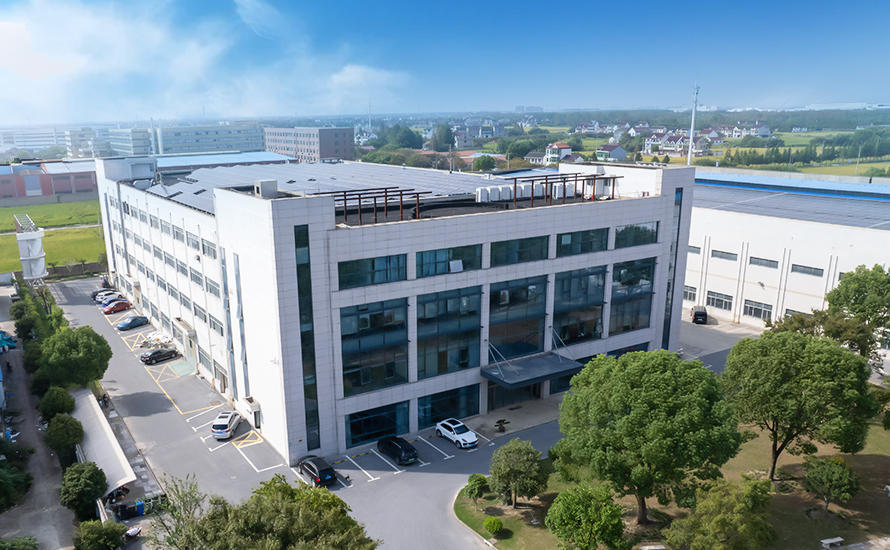
Shanghai Shujia Environmental Protection Engineering Co., Ltd. is a Laboratory PP Air Duct and Accessories manufacturer supplying the corrosion-resistant conveying network that links fume hoods, reagent cabinets, scrubbers and fans into one continuous exhaust path. We fabricate straight runs, fittings and balancing components to the project layout, so the ducting follows the hood schedule, the treatment train and the building route instead of forcing a system into fixed stock lengths. Production takes place at our own workshops in Shanghai, China, and the range serves any exhaust stream where acid mist, solvent vapour, ammonia and odorous compounds must be moved without corroding the route.
A Duct Network Built Around the Exhaust System
A fume hood protects the person at the bench; the duct decides where the vapour goes next. We treat the run as an engineered part of the waste gas system, where pressure loss, branch balance and discharge position are resolved together with the fan and the treatment equipment. Specifications are customized to project needs, and the accessory range covers the transitions, direction changes and terminals that a complete route requires.
Our PP Air Duct and Accessory Range
The range covers the full conveying path from hood outlet to discharge terminal:
- Straight PP duct sections in round and square profiles for main runs and risers
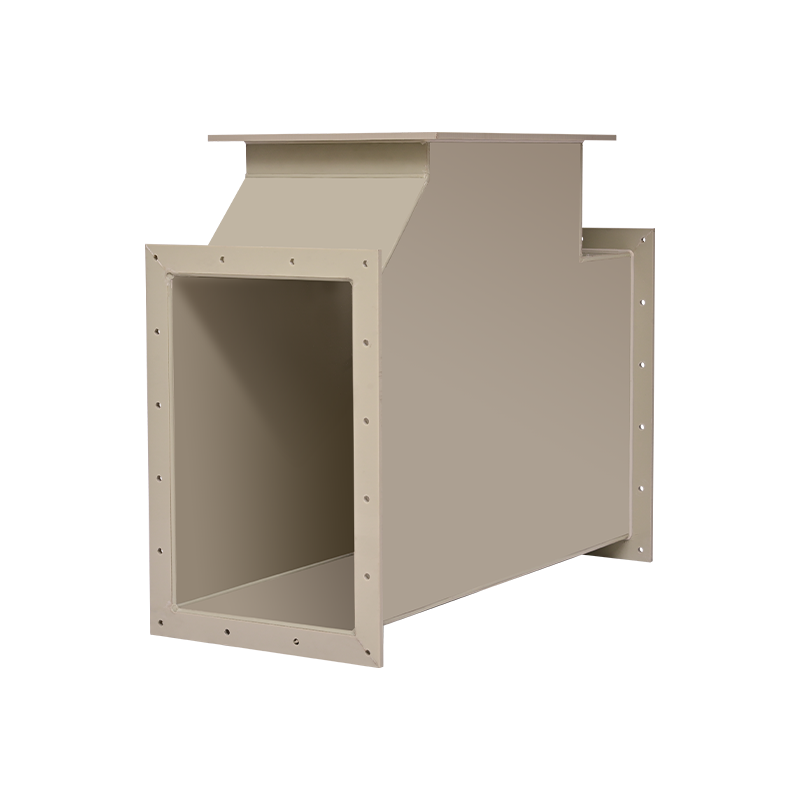
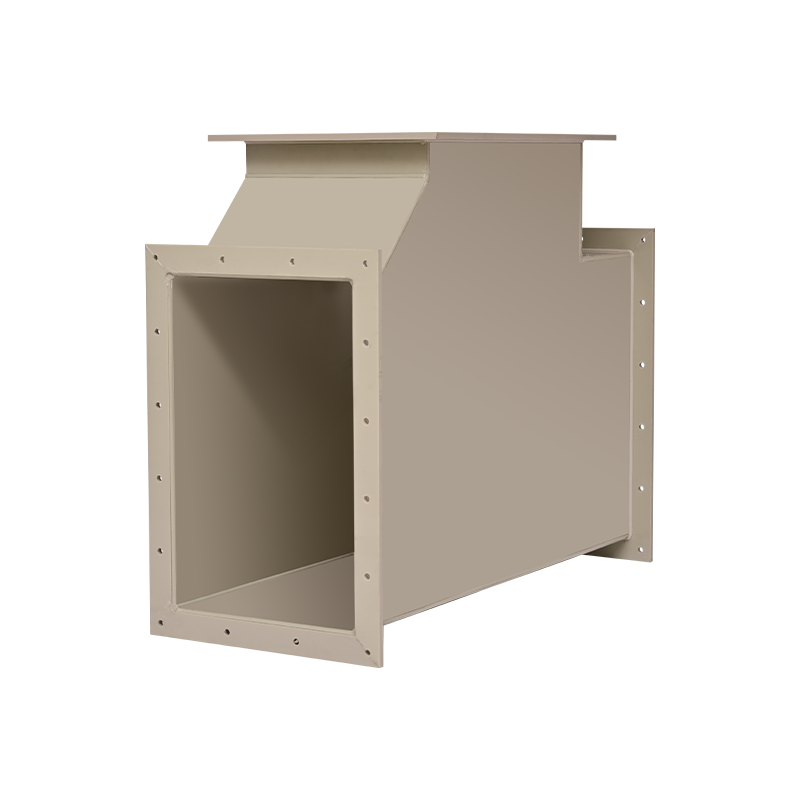
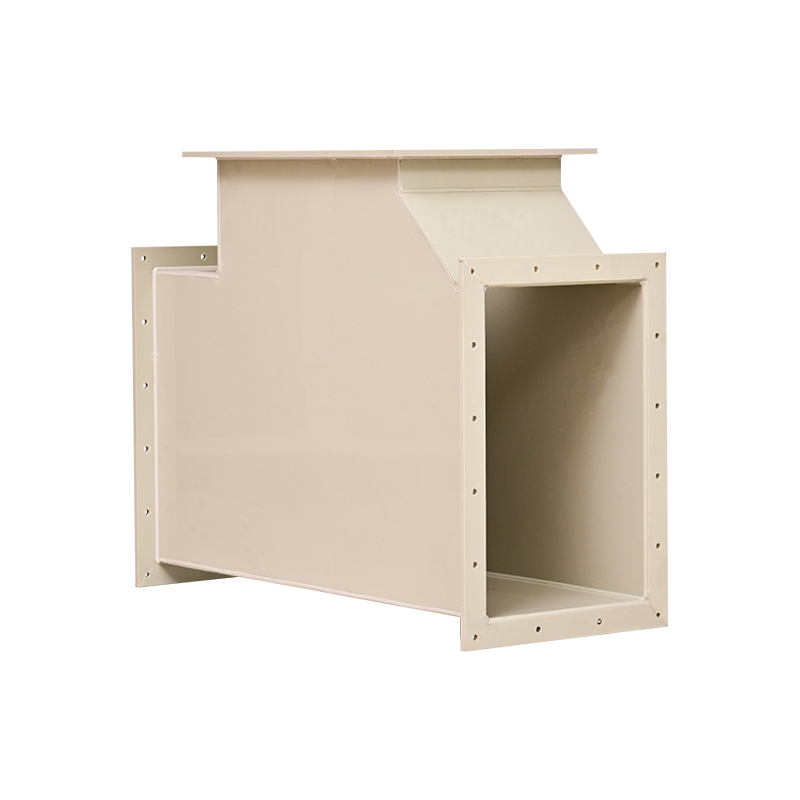
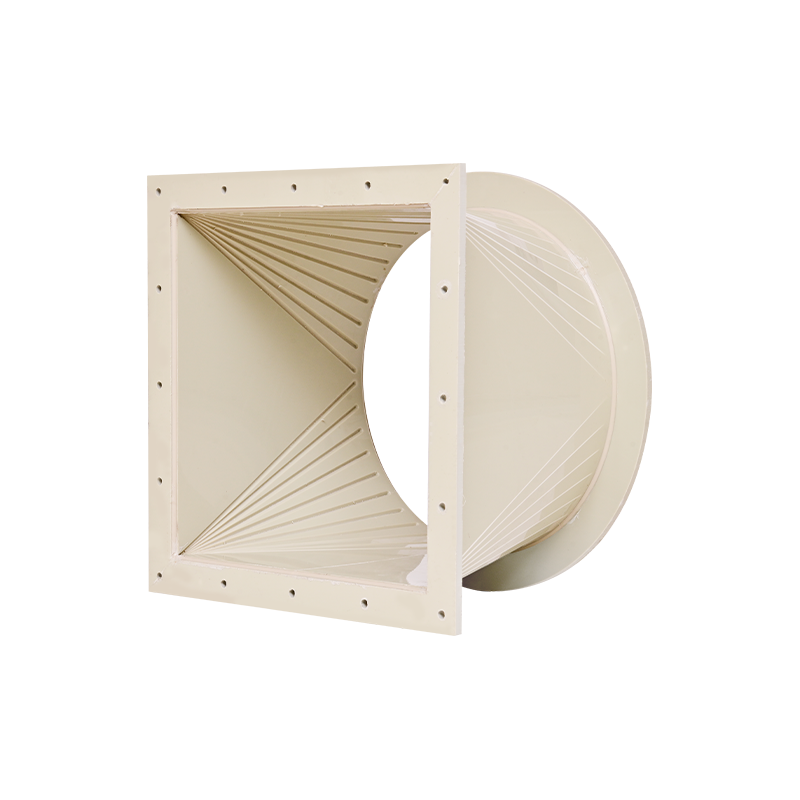
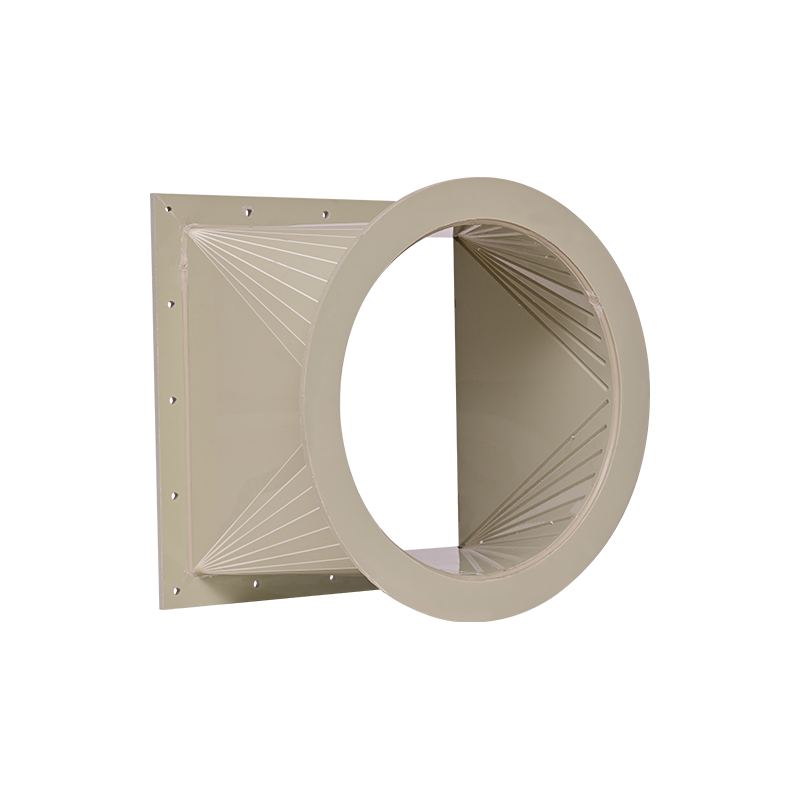
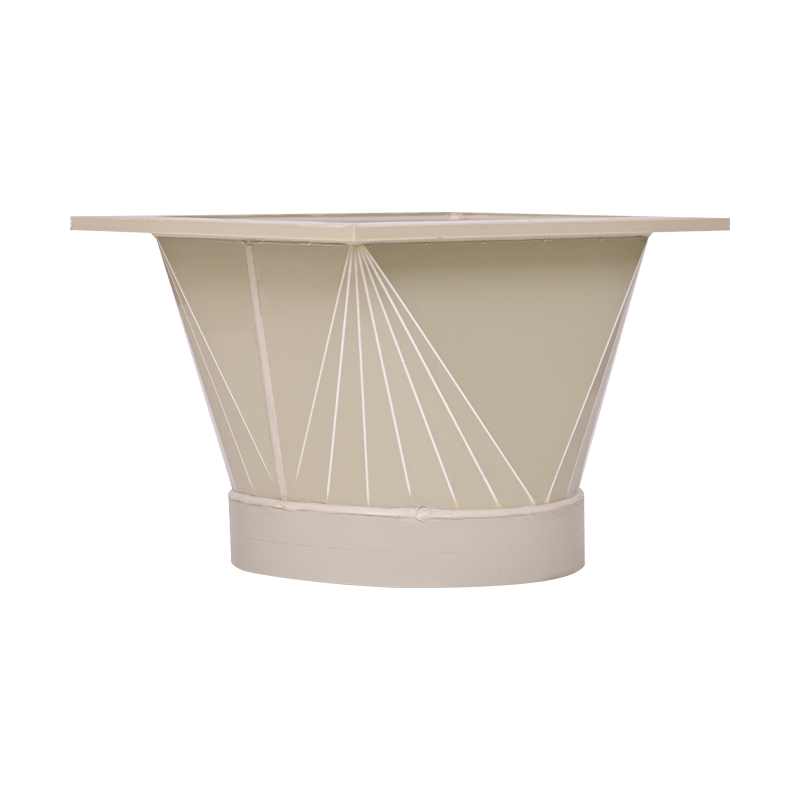
- Square-to-round reducer ducts for hood, cabinet and equipment outlets
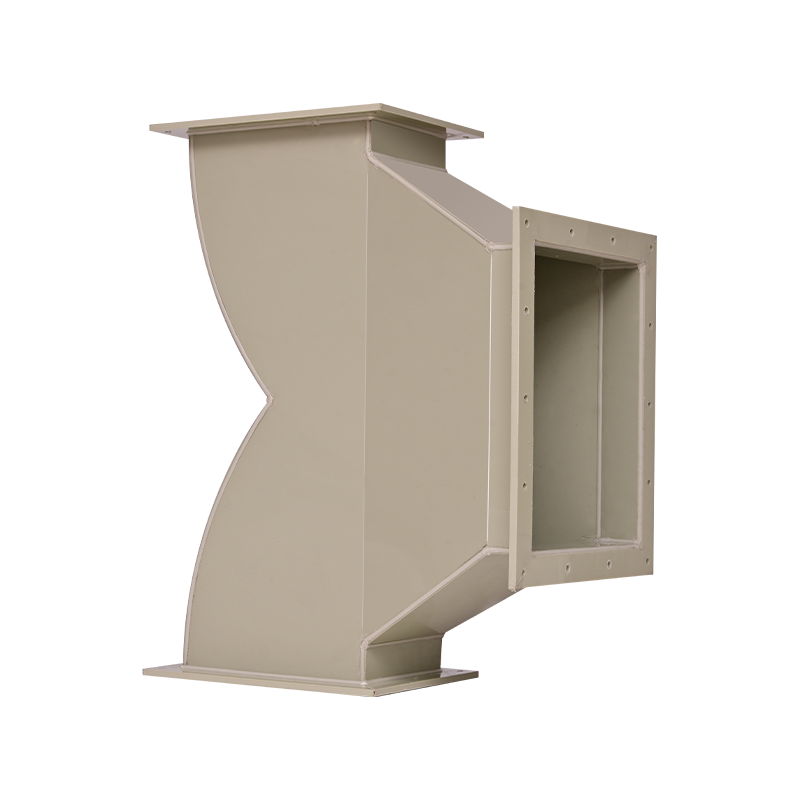
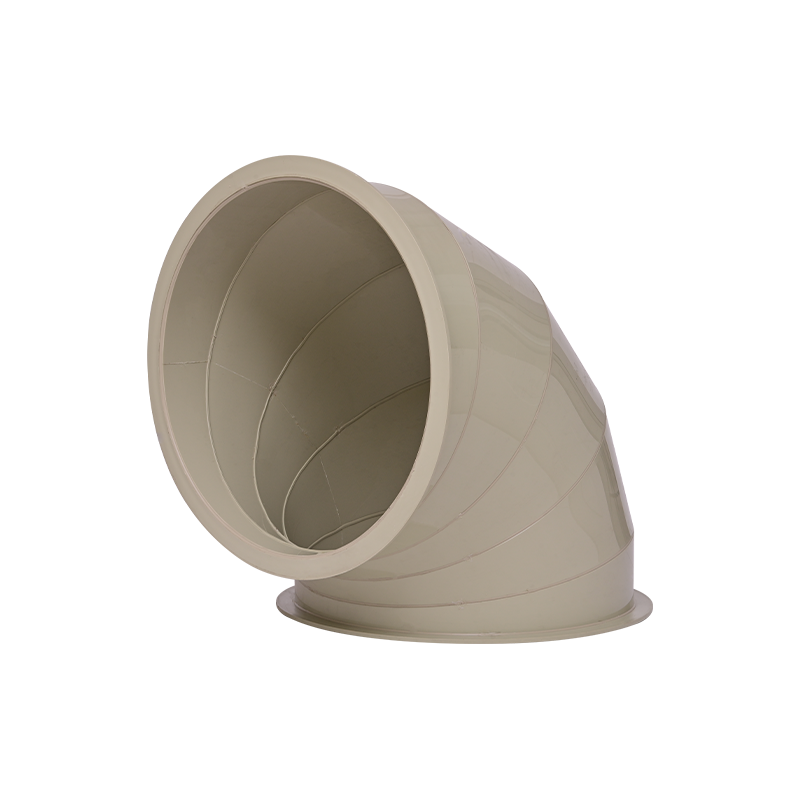
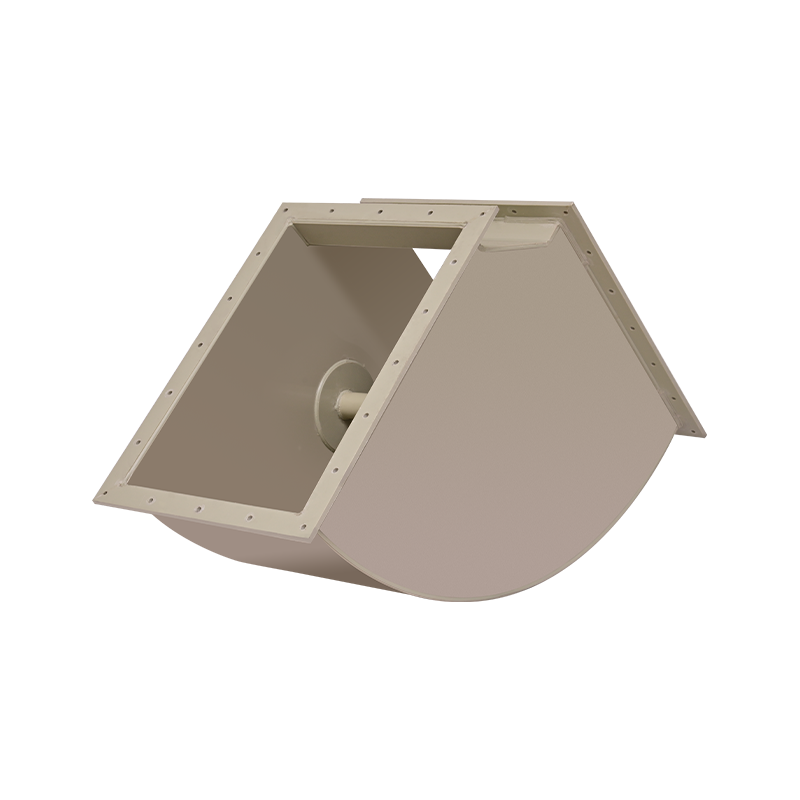
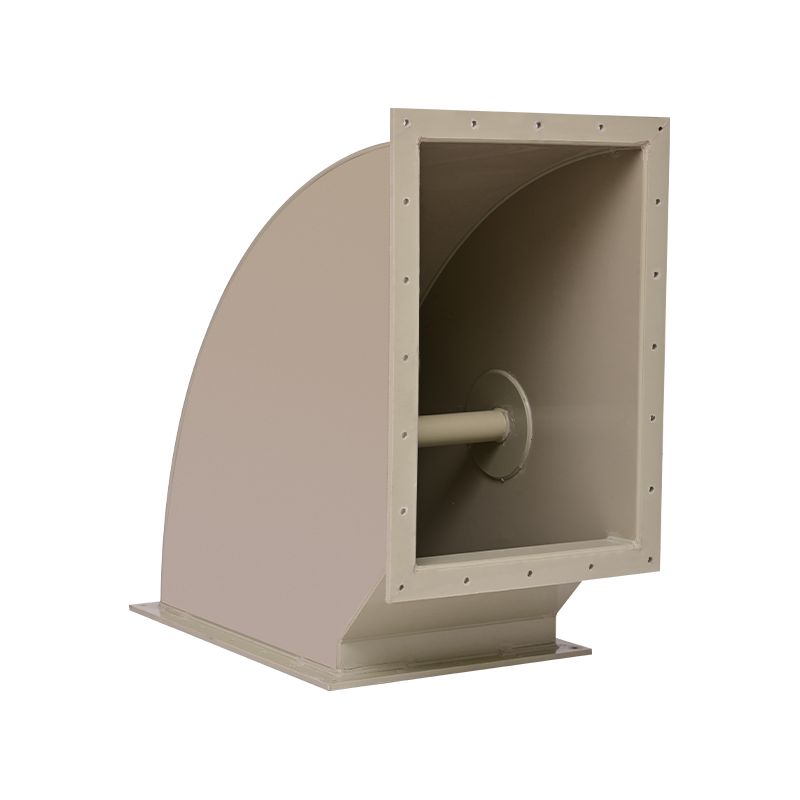
- Elbows and round elbows for direction changes around structure and services
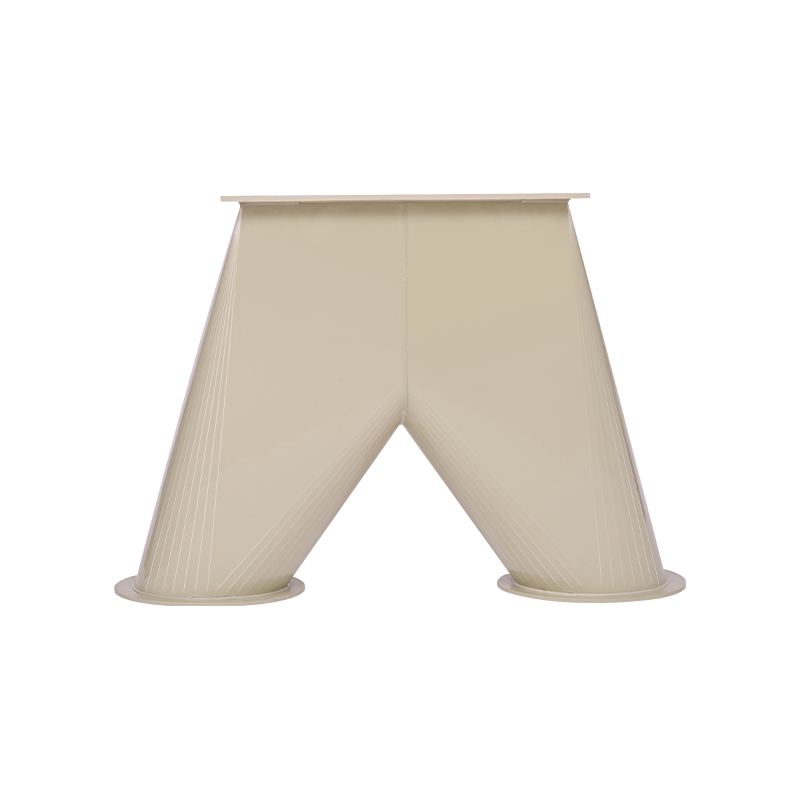
- Three-way vent pipes for combining branch flows into a single run
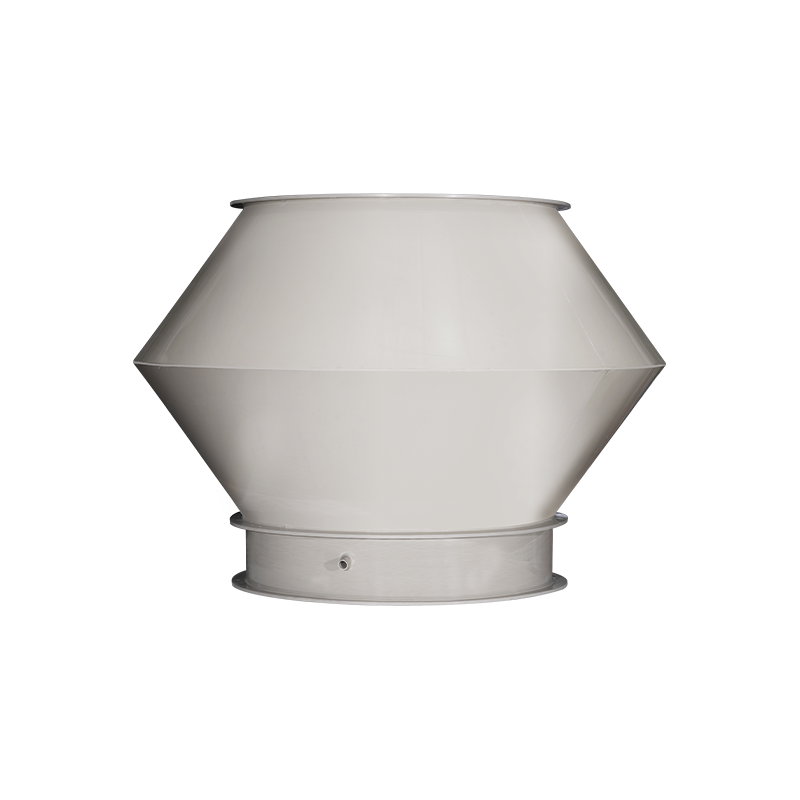
- Rain hats for roof and wall discharge points
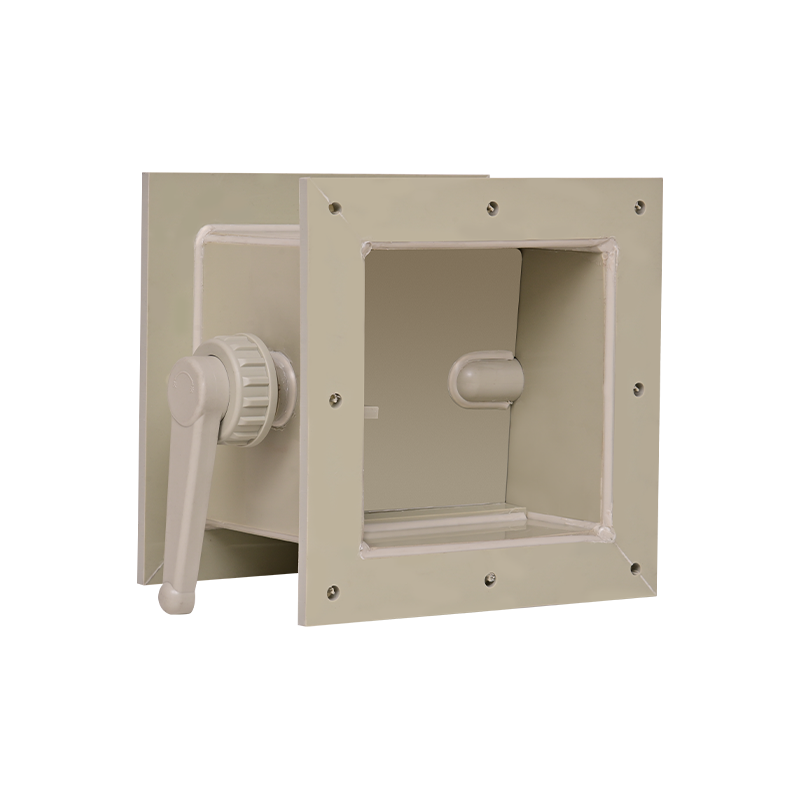
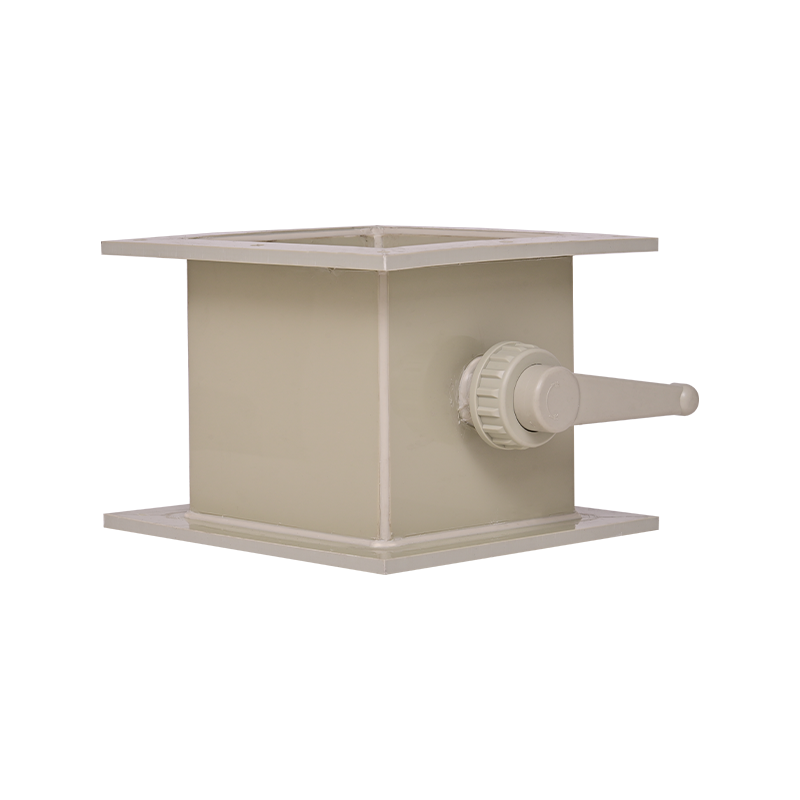
- Manual valves for branch balancing during commissioning
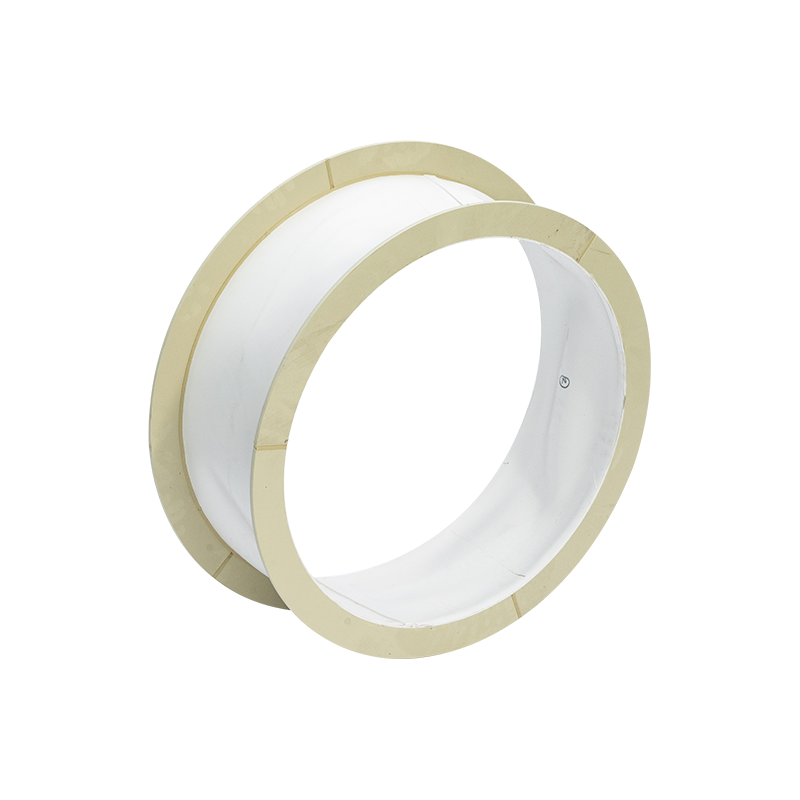
- Shock-absorbing flexible connectors for fan inlet and outlet connections
Because the components are produced together, joint geometry, diameters and wall sections stay consistent along the run — which matters when several hoods share one riser and one treatment train.
Range, Function and Application Fit
| Component |
Role in the exhaust network |
Typical fit |
| Straight PP duct |
Main conveying run between hoods and treatment equipment |
Long horizontal runs, vertical risers, roof discharge lines |
| Square-to-round reducer |
Transitions a rectangular outlet into a round duct |
Fume hood, ventilated cabinet and equipment connections |
| Elbow / round elbow |
Changes direction with controlled pressure loss |
Routing around beams, columns and service shafts |
| Three-way vent pipe |
Combines two branch flows into one manifold |
Multi-hood laboratories and grouped exhaust points |
| Rain hat |
Weather protection at the discharge terminal |
Roof and external wall discharge points |
| Manual valve |
Fixes branch airflow at a set balance point |
Branches requiring commissioning adjustment |
| Flexible connector |
Isolates fan vibration and absorbs alignment movement |
Fan inlet and outlet connections |
The same component set is applied across petroleum, chemicals, chlor-alkali, dyes, agriculture, food, pharmaceuticals and light industry, metallurgy, sewage treatment and general ventilation, as well as laboratory exhaust in university research, biomedicine, medical and disease control, third-party testing and petrochemical facilities.
Material, Fabrication and Surface Quality
Ducting is fabricated in polypropylene, selected for resistance to acid mist, solvent vapour and alkaline carry-over in laboratory and industrial exhaust. The finished surface is smooth and flat, free of cracks, clean and bubble-free, which keeps airflow stable and limits the points where condensate or particulate can collect.
- Corrosion resistance against aggressive exhaust chemistry
- Leakage resistance along welded and jointed sections
- Tensile strength and bending resistance for supported spans
- Long service life with a competitive installed cost
Critical Specifications We Confirm Before Fabrication
Each run is released to production only after the following points are agreed:
- Duct profile and internal dimensions for every section and fitting
- Wall section matched to system negative pressure and support spacing
- Exhaust airflow per hood, cabinet or branch
- Static pressure at the fan inlet and the resulting system resistance
- Number of branches and the simultaneous-use pattern
- Routing, elevation and available shaft or ceiling space
- Joint method, flange positions and connection orientation
- Chemical exposure and exhaust temperature range
- Discharge point, rain hat type and weather exposure
- Valve and damper locations for balancing
- Flexible connector position at fan inlet and outlet
- Condensate drainage and access to low points
Airflow, Balancing and Integration with Treatment Equipment
Ducting rarely stands alone. We size and route the network together with the Anti-Corrosion Centrifugal Fan that drives it, the Wet Scrubber Tower and Activated Carbon Adsorption Box that treat the stream, and the dampers that regulate it. Manual valves give commissioning staff a fixed balance point on each branch, while networks intended for variable-volume operation are prepared for sash-responsive control so airflow follows demand rather than running at a constant maximum.
Installation, Supports and Serviceability
Installation is coordinated with the site rather than left to the fitting team to resolve:
- Support spacing and hanger positions agreed against the fabricated section lengths
- Slope set toward drainage points where condensate is expected
- Flexible connectors fitted at fan connections to isolate vibration
- Wall and roof penetrations sealed and weatherproofed
- Rain hat orientation set against prevailing weather
- Clear access left to valves, joints and inspection points
The components that move or wear — flexible connectors, manual valves and rain hats — are kept replaceable without dismantling the run. Spare fittings and as-built routing drawings support later modification when a laboratory adds hoods or rearranges its benches.
Quality Control, Documentation and Acceptance
Raw material is selected before fabrication, inspection runs after each process, and finished products are inspected 100% against customer requirements and the applicable international standard. Visual and dimensional checks cover surface condition, wall section, joint fit and terminal geometry before packing.
- Material and component records for the delivered batch
- Dimensional inspection records for sections and fittings
- Fabrication and routing drawings issued for site installation
- Company documents including the Construction Industry Enterprise Qualification Certificate, Work Safety Permit and business license
Our engineers take part in the drafting of T/SLEA 0011-2023 Laboratory Fume Hoods and T/SLEA 1011-2023 Technical Specifications for Laboratory Design and Construction — Part 1: General Technical Requirements, and we hold council membership of the Shanghai Laboratory Equipment Association and the Shanghai Laboratory Indoor Environment Purification Industry Association.
Information We Use to Configure Your Solution
A quotation is prepared from the working point and the site, not from a single duct diameter. The following inputs let us release a configuration directly to production:
- Laboratory or plant layout drawings with hood, cabinet and equipment positions
- Hood and cabinet schedule with exhaust airflow per unit
- Chemical list and exhaust temperature range
- Fan data — airflow, static pressure and connection size
- Treatment train arrangement, including scrubber, adsorption box and discharge point
- Building constraints — floor heights, shafts and roof penetration points
- Site photographs or marked-up drawings showing the intended route
- Installation scope, interface responsibilities and required acceptance criteria
Send these details with your inquiry and we will reply within 24 hours on working days with a duct configuration, accessory list and quotation.
Frequently Asked Questions
Are you a manufacturer or a trading company?
We are a manufacturer with our own international sales department, so production and sales are handled in-house. PP ducting and accessories are fabricated at our Shanghai production bases.
Can you produce ducts and fittings to our drawings?
Yes. We develop and produce products according to drawings or samples provided by customers, and specifications are customized to project needs. Square-to-round reducers, elbows, three-way pipes, rain hats, manual valves and flexible connectors can all be matched to the same routing and diameter schedule.
How is quality controlled on this range?
Inspection is carried out after each process, and finished products are inspected 100% according to customer requirements and the international standard. Surface condition, wall section, dimensions and joint fit are verified before packing.
Which industries use PP air ducts and accessories?
Petroleum, chemicals, chlor-alkali, dyes, agriculture, food, pharmaceuticals and light industry, metallurgy, sewage treatment and general ventilation, plus laboratory exhaust in university research, biomedicine, medical and disease control, third-party testing and petrochemical facilities.
How does the ducting connect to the fan and treatment equipment?
We size the network against the fan's airflow and static pressure and coordinate connection sizes with the scrubber and adsorption box. Flexible connectors isolate fan vibration, and manual valves provide a fixed balance point on each branch.
How quickly do you respond to an inquiry?
We reply within 24 hours after receiving an inquiry on working days, and we will confirm the technical points that affect the configuration before issuing a quotation.

 EN
 English
 عربى