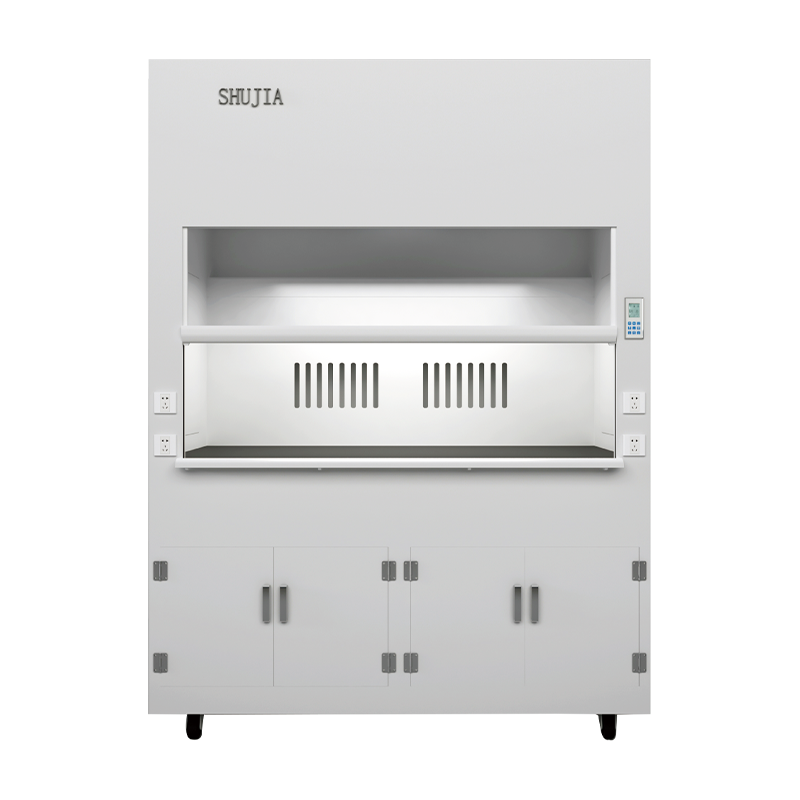
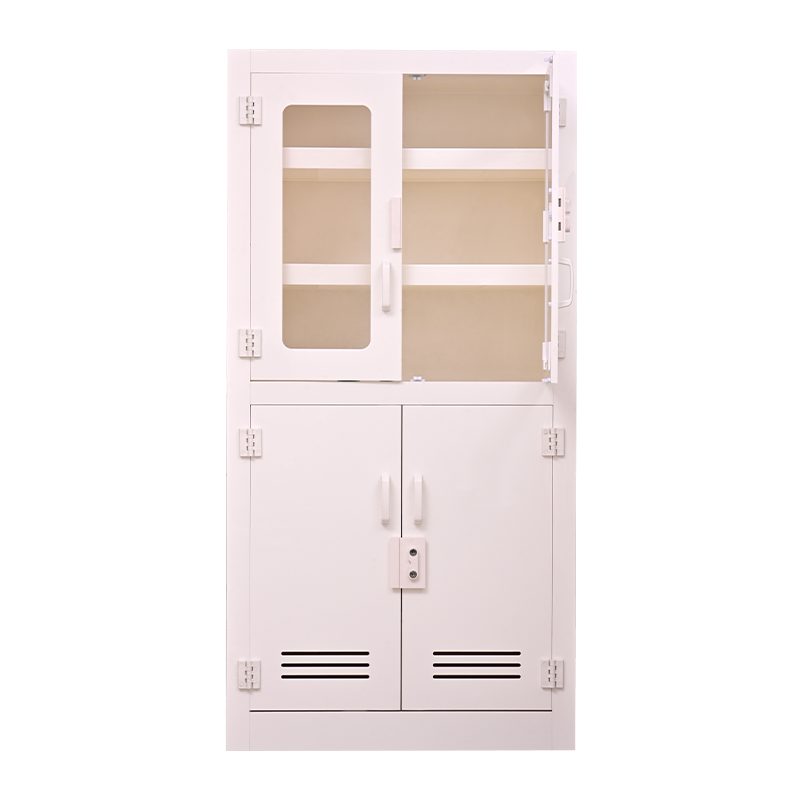
Walk into almost any working laboratory and you will find them standing a few metres apart: a heavy steel box holding solvent bottles, and a lighter cabinet in white or grey holding acids. They look like cousins. They behave nothing alike.
In the labs we fit out, the same two mistakes keep turning up. A bottle of hydrochloric acid goes into a steel flammable cabinet, and the interior starts rusting within months. A can of acetone ends up in a polypropylene corrosive cabinet with no fire rating at all. Both are easy to prevent, and both come down to one question: what was this cabinet actually built to do?
Two Cabinets, Two Different Enemies
A flammable liquid storage cabinet exists to slow a fire down. It is usually double-walled steel with an insulating air gap, self-closing and self-latching doors, a liquid-tight sill to catch spills, and a grounding point so static cannot ignite vapour while you pour. Standards such as NFPA 30 and OSHA 29 CFR 1910.106 shape that construction, and they assume the contents are organic solvents rather than mineral acids.
A corrosive storage cabinet is built to survive chemistry. The threat here is not flame but vapour. Hydrochloric, nitric, sulphuric and acetic acid fumes attack mild steel, welds, hinges and even a baked enamel finish. Once a hinge or a seam corrodes, the door stops sealing properly and the cabinet quietly stops doing its job.
There is a sharper reason to keep the two apart. Nitric acid is an oxidiser. If it leaks inside a cabinet full of organic solvents, fuel and oxidiser meet in an enclosed space, and no fire rating is designed to survive that.
Materials and Construction
Most acid cabinets we supply are built from polypropylene or polyethylene. Both shrug off the common mineral acids, they cannot rust, and they can be welded or moulded into a body with very few places for liquid to hide. Steel remains the sensible answer for flammable liquids, where the job is to resist heat rather than chemistry.
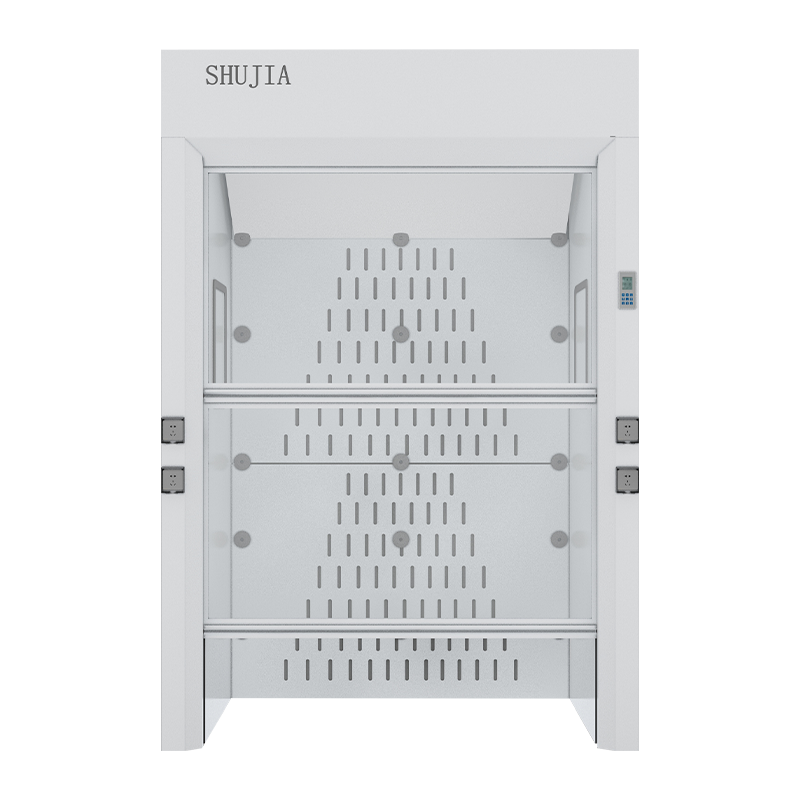
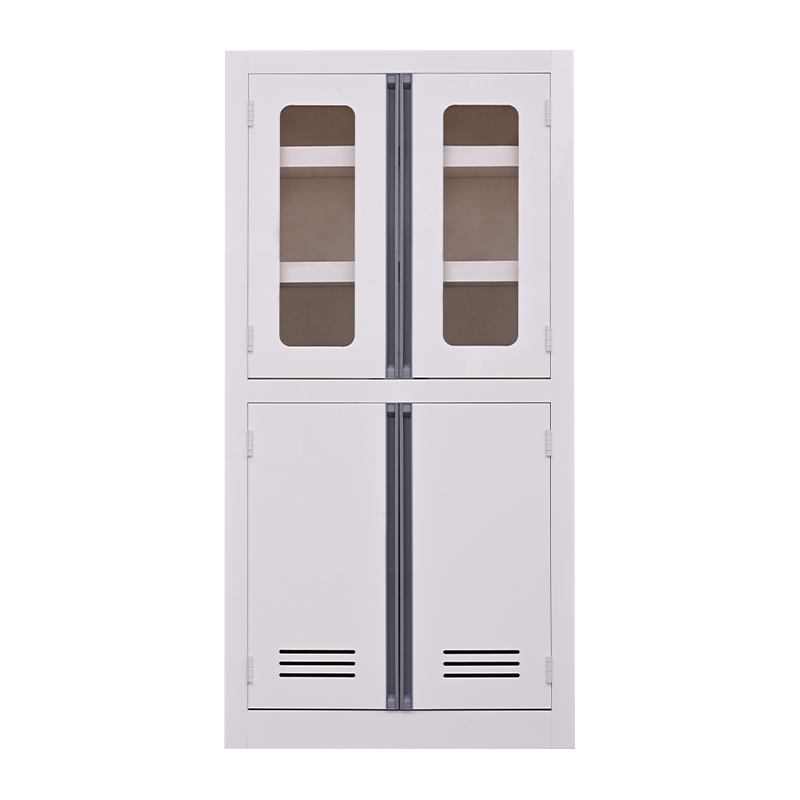 Laboratory PP Ventilated Reagent Cabinet and Vessel CabinetFor corrosive acid storage, this polypropylene cabinet offers independent ventilation, welded construction, and movable shelves with spill-prevention edges.View Product →
When you compare quotations, the differences that matter are structural. The table below summarises them.
Table 1: How acid and flammable cabinets differ in construction and in what they should hold.
| Feature |
Acid (corrosive) cabinet |
Flammable liquid cabinet |
| Primary material |
Polypropylene or polyethylene, occasionally epoxy-coated steel |
Double-walled steel with an insulating air gap |
| Fire performance |
Not fire-rated; the aim is chemical resistance |
Rated for fire exposure, commonly 30 or 90 minutes |
| Venting |
Often ventilated continuously to remove corrosive vapour |
Vents normally plugged with bungs unless a code official requires otherwise |
| Door hardware |
Non-metallic, corrosion-resistant hinges and latches |
Self-closing, self-latching metal hardware |
| Spill containment |
Sump or tray sized to the largest container |
Liquid-tight sill at the base |
| Interior fittings |
No ferrous fasteners |
Grounding terminal, metal shelves |
| Never store inside |
Flammable solvents |
Mineral acids, bases, oxidisers |
Standards, Labels and Claims Worth Verifying
Ask suppliers for documents rather than adjectives. For flammable liquid cabinets the references are fairly settled. For corrosive cabinets there is no single global fire standard, so the evidence you want is different: chemical resistance data, a clear statement of construction materials, and a ventilation plan that matches the acids you actually store.
- OSHA 29 CFR 1910.106(d)(3): no more than 60 gallons of Class I or Class II liquids, or 120 gallons of Class III liquids, in a single approved cabinet.
- NFPA 30: cabinet design, labelling, and the general expectation that vents stay plugged unless a code official says otherwise.
- Third-party approval such as FM Approvals 6050, frequently requested for flammable liquid cabinets.
- EN 14470-1 fire resistance ratings, quoted as Type 15, 30, 60 or 90, for projects specified to European norms.
- For acids: documented resistance of the body, hinges, latches and shelf supports to the specific chemicals in your inventory.
When an Acid Cabinet Needs to Breathe
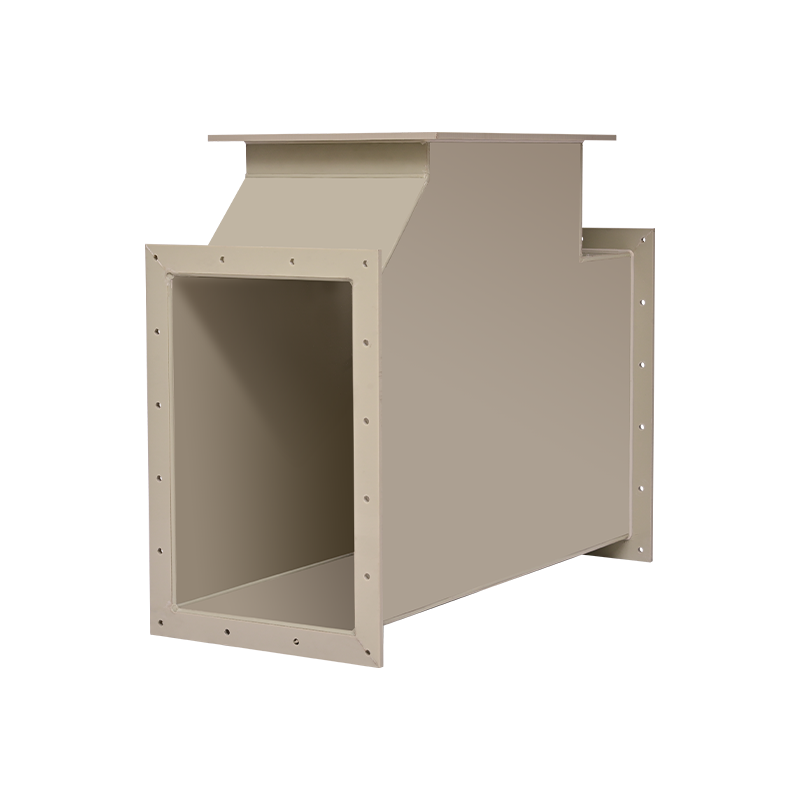
Ventilation is where acid storage and flammable storage diverge most. Because the hazard inside a corrosive cabinet is airborne, most laboratories exhaust it continuously. The duct should be corrosion resistant, normally polypropylene, and it should lead somewhere useful rather than straight out of the wall.
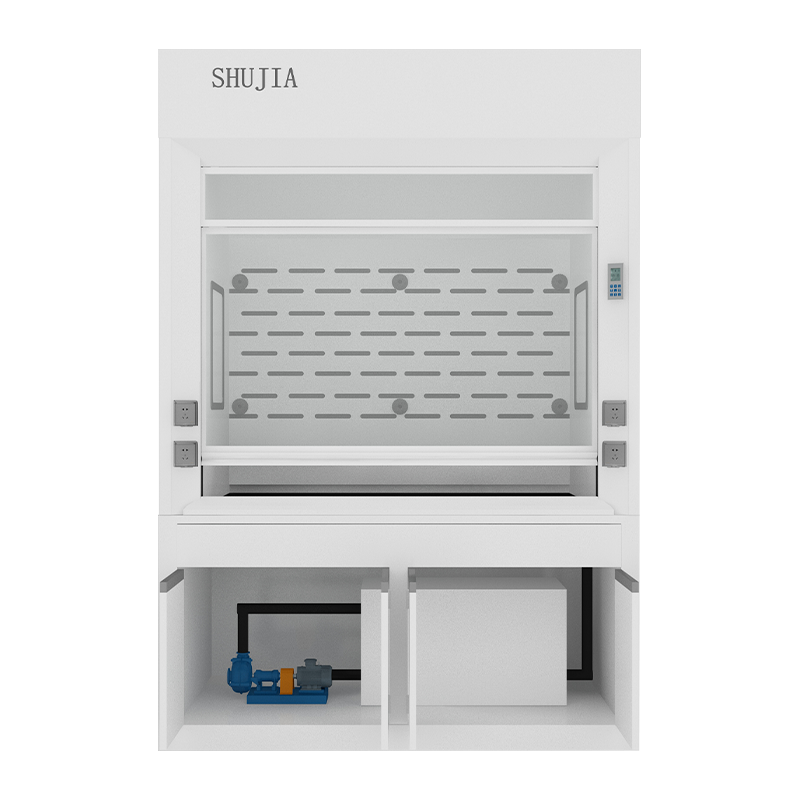
Where nitric, hydrochloric or perchloric acid vapour is involved, a wet scrubber is the usual answer at the end of the line. Acid gases dissolve into the scrubbing liquid and are neutralised before the air is released. For a wider view of how the exhaust chain fits together, our notes on why laboratory waste gas treatment equipment is essential for labs are a useful starting point.
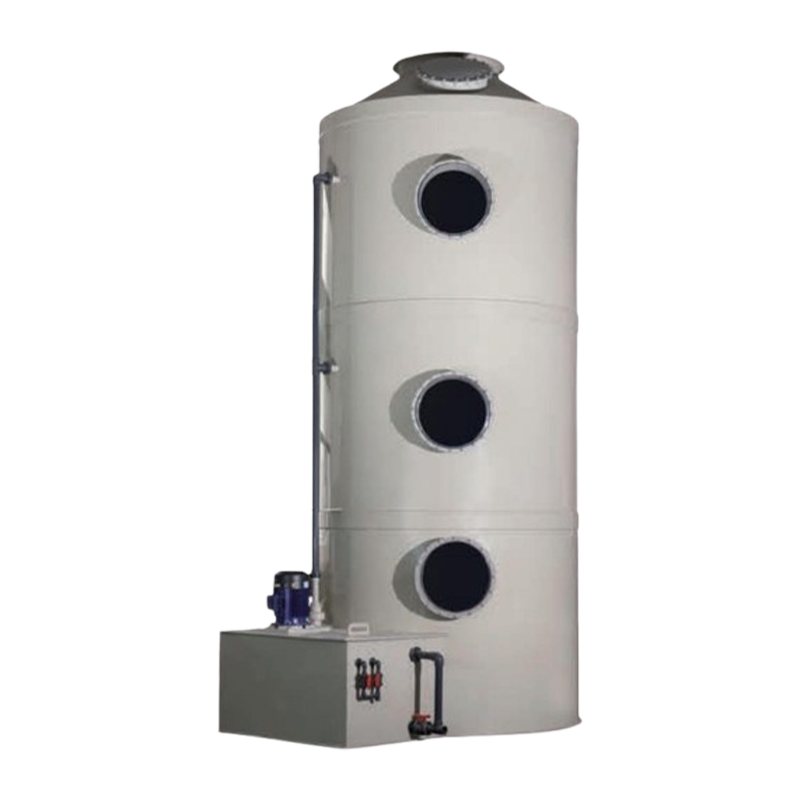 Wet Scrubber Tower for Acid and Water-Soluble ExhaustFor acid vapour exhaust, this scrubber tower neutralises and absorbs water-soluble pollutants, with PP, stainless-steel, or fiberglass construction options.View Product →
Flammable cabinets take the opposite approach. Because their fire rating depends on staying sealed, vents normally remain closed, and any exhaust decision should be made with the fire code official rather than by habit.
Dealing With Solvent Vapours Around Storage
Solvents do not disappear when a cabinet door closes. Every time a bottle is opened at the bench, a little vapour joins the room air, and in a busy preparative lab those small amounts add up. Most of that load is captured by fume hoods, snorkel extraction or general exhaust, but the final treatment stage still deserves thought.
If your exhaust already carries solvent-laden air, an activated carbon adsorption box is a common last step. Vapour passes through a bed of activated carbon, organic molecules stick to the surface, and the cleaned air continues to the fan. The bed has a finite life, so plan replacement around your solvent consumption rather than waiting for an odour to appear.
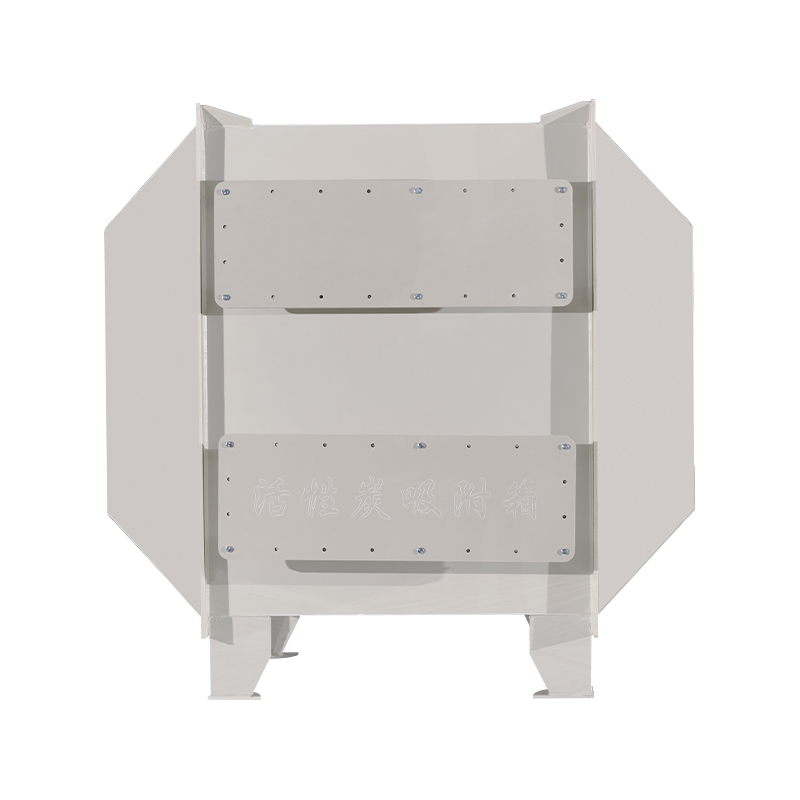 Activated Carbon Adsorption Box for Organic Waste GasFor solvent-laden exhaust, this carbon adsorption box targets organic vapours and odours, with PP, stainless-steel, or fiberglass housing options.View Product →
Placement, Segregation and Everyday Habits
Where a cabinet stands matters almost as much as how it is built. A few rules that save trouble later:
- Keep acids below shoulder height and never above a sink, so a spill cannot travel down onto you.
- Store nitric acid separately from acetic acid, from organic solvents and from combustible material.
- Separate acids from bases, and oxidisers from anything they can react with.
- Keep cabinets out of egress routes and away from direct sunlight, heaters and other ignition sources.
- Anchor tall or freestanding units, and leave doors closed apart from loading and unloading.
- Record the date each container is opened and keep working volumes as small as the science allows.
A Practical Selection Checklist
- Write down every acid, base, oxidiser and solvent you store, with the largest container size for each.
- Sort that list by hazard class before you open any catalogue.
- Size each cabinet so the sump holds the contents of the largest single container.
- Decide whether the cabinet needs active ventilation, and if so, where the exhaust will go.
- Match the material to the chemistry: polypropylene for acids, steel for solvents.
- Ask for approval documents, chemical resistance data and warranty terms in writing.
- Choose a location that keeps incompatible chemicals apart and exit routes clear.
- Plan for growth, because laboratory inventories rarely shrink.
Maintenance That Keeps a Cabinet Honest
A cabinet that is never inspected is only assumed to be working. Ten minutes a month is usually enough:
- Look inside for rust stains, discoloured patches, soft spots or salty deposits near hinges and seams.
- Wipe shelves and the sump, and remove anything sitting unlabelled.
- Check that self-closing doors still latch on their own.
- Confirm airflow indicators on ventilated cabinets read normally.
- Re-check chemical compatibility whenever a new product enters the inventory.
If a metal cabinet shows pitting or the door no longer seals, the honest answer is replacement rather than another coat of paint.
Choosing between an acid cabinet and a flammable cabinet is really a question of what each one protects you from. Acids need chemical resistance and clean exhaust. Solvents need containment and a fire rating that stays intact. Get those two things right and most of the remaining decisions fall into place.
If you would like a second opinion on a storage layout, an exhaust route, or a specification a supplier has sent back, our team is happy to talk it through before you commit to anything.

 EN
 English
 عربى

 +86-13472882970 (Mr. Zhang)