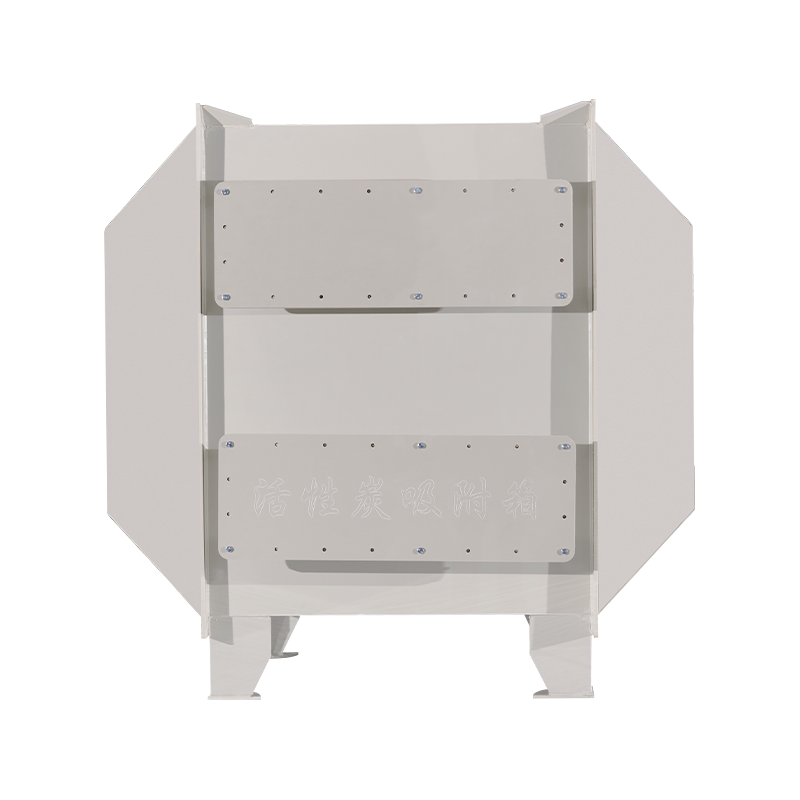
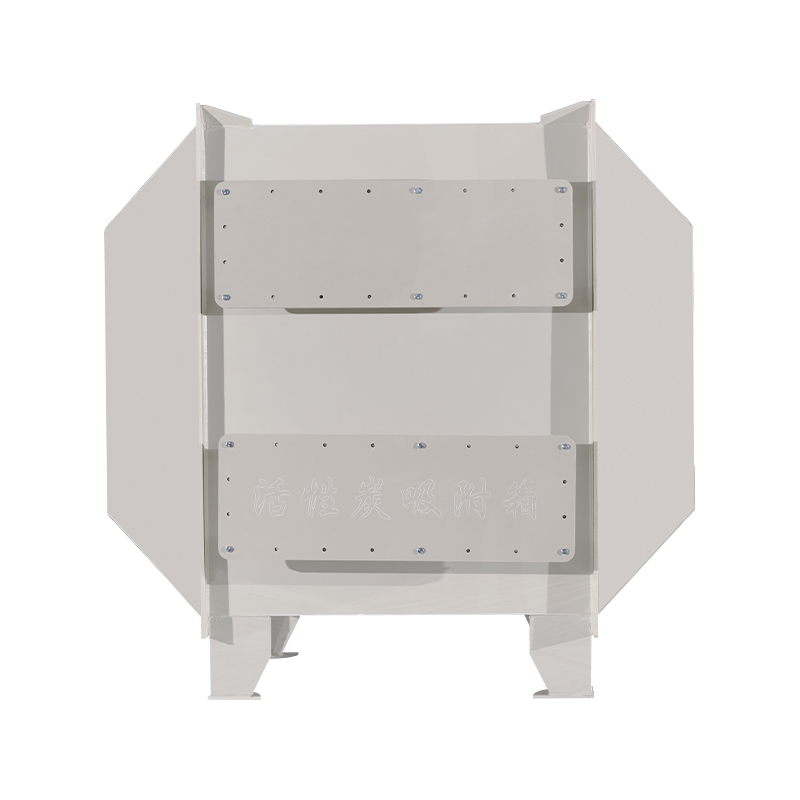
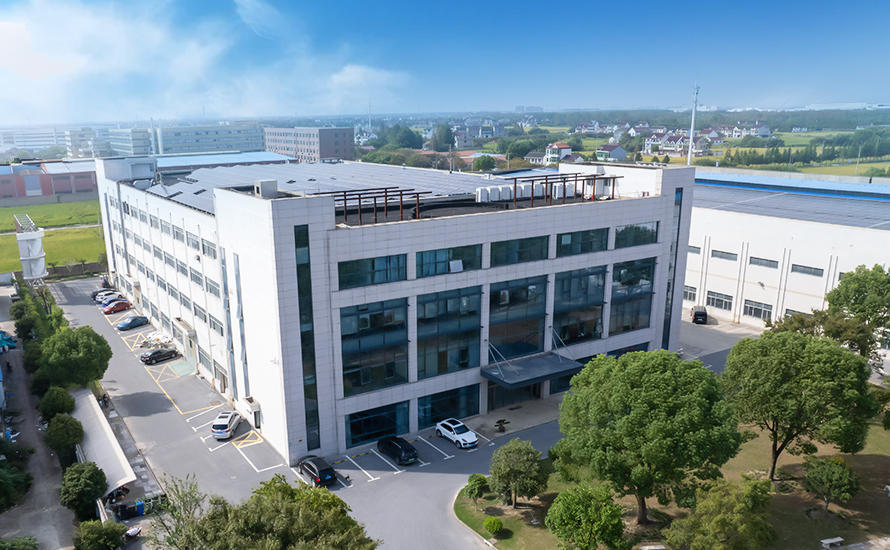
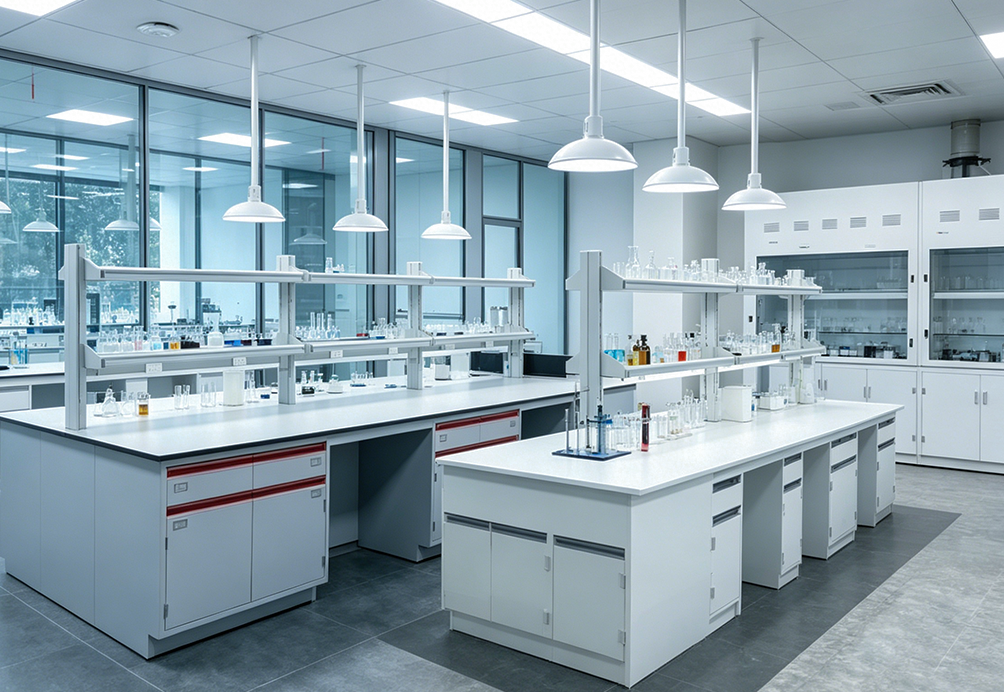
Shanghai Shujia Environmental Protection Engineering Co., Ltd. designs, manufactures and installs laboratory ventilation and waste gas treatment equipment from our production bases in Jinshan District, Shanghai. As an Laboratory Activated Carbon Adsorption Box manufacturer, we build the adsorption stage of the laboratory exhaust train: a fan-driven purification unit that captures organic solvent vapour, odour and dissolved micro-pollutant matter before exhaust leaves the building. Housings are produced in PP, stainless steel or fiberglass to suit the exhaust chemistry, and each unit is supplied either as a standalone box or as part of a complete ducted system.
Where the Adsorption Box Fits in a Laboratory Exhaust Train
A fume hood or ventilated cabinet protects the person at the bench; the adsorption box protects the discharge point. It sits downstream of the hood network and, where water-soluble gases are present, downstream of scrubbing, so the carbon bed receives a stream it can hold.
- Organic solvent exhaust — alcohols, ketones, esters, aromatics and comparable VOC streams from synthesis, extraction and analytical work.
- Odour and micro-pollutant removal — persistent odorous compounds that would otherwise be noticeable at the stack.
- Paint-spraying and coating exhaust — higher-concentration organic streams where the bed is sized for a shorter service cycle.
- Polishing stage — a final adsorption barrier after wet scrubbing, where residual organics remain in the gas.
Our Waste Gas Treatment Range and Where Each Unit Fits
We supply the adsorption box as one element of a coordinated waste gas treatment package. Because the units are engineered together, airflow, pressure drop and connection sizes are matched across the train instead of assembled from unrelated components.
| Unit |
Duty in the exhaust train |
Typical application fit |
What we match during configuration |
| Activated Carbon Adsorption Box |
Adsorption and odour removal stage |
Organic solvent exhaust, paint-spray exhaust, high-concentration VOC streams |
Housing material, carbon grade, bed volume, inlet and outlet sizes |
| Wet Scrubber Tower |
Upstream scrubbing of water-soluble gases |
Acid mist, ammonia and inorganic fumes from chemical and petrochemical labs |
Packing type, spray stages, circulation volume against gas load |
| Anti-Corrosion Centrifugal Fan |
Motive force for the whole train |
Corrosive, humid or solvent-laden laboratory exhaust |
Airflow, static pressure against total system resistance, casing material |
| PP Air Duct and Accessories |
Connection between hoods, scrubber and adsorption box |
Ducted fume hood and ventilated cabinet networks |
Duct diameter, bends, dampers, supports and route against the site layout |
The Wet Scrubber Tower removes the water-soluble fraction first, the Anti-Corrosion Centrifugal Fan provides the motive force, and PP Air Duct and Accessories tie the network together. The adsorption box is then sized for the residual organic load that reaches it.
Housing Materials and Construction
Material choice follows the exhaust chemistry, the operating temperature and the installation position. We produce the box in three constructions and confirm the details below before releasing the housing to production.
| Housing material |
Where it suits |
Points we confirm |
| PP |
Acid mist, general solvent exhaust, humid streams |
Temperature ceiling, UV exposure, support spacing |
| Stainless steel |
Warmer streams and installations needing mechanical robustness |
Grade selection, weld quality, chloride content of the stream |
| Fiberglass (FRP) |
Large housings, corrosive duty, outdoor positions |
Resin system, laminate thickness, weather protection |
Critical Specifications We Confirm Before Build
- Exhaust volumetric flow at the box inlet, in m³/h, and the expected turndown when hoods are closed.
- Inlet VOC concentration, solvent family and whether the stream is continuous or batch.
- Gas temperature and relative humidity, both of which compete with organics for adsorption sites.
- Carbon type and form, bed depth and the resulting residence time in the bed.
- Allowable pressure drop and the fan static pressure available to overcome it.
- Inlet and outlet connection sizes, orientation and available footprint, including access for carbon handling.
- Electrical supply, control voltage and the signal the box must exchange with the building system.
Airflow, Capacity and Adsorption Performance
Adsorption performance is governed by the working point rather than by the box alone. Bed volume, contact time, carbon grade and inlet concentration together determine how long the carbon holds a stream before breakthrough, and humidity or high temperature will shorten that period.
We size the bed against the actual exhaust load and set a differential pressure baseline at commissioning, so the operating team has a measurable reference for the condition of the carbon. Where the load is heavy, we configure a larger bed, a two-stage arrangement or a shorter planned replacement cycle.
Controls, Ductwork and Line Integration
We configure the control interface around the way the laboratory actually runs. The adsorption box is normally interlocked with the exhaust fan so that airflow is proven before the box is considered in service, and with the damper or VAV actuator that regulates the hood network.
- Differential pressure indication across the carbon bed for loading and breakthrough monitoring.
- Potential-free contacts or analogue signals for handover to the laboratory BMS or PLC.
- Fan and box interlock logic, plus alarm contacts for airflow failure.
- Duct transitions, flexible connections and isolation dampers coordinated with the PP ductwork scope.
Quality Control and Acceptance
Raw materials are selected against the exhaust duty and inspected at each production stage, with finished units checked 100% against the agreed requirements and the applicable standard before dispatch. Our engineering team participates in the drafting of T/SLEA 0011-2023 Laboratory Fume Hoods and T/SLEA 1011-2023 Technical Specifications for Laboratory Design and Construction — Part 1, and our company holds a Construction Industry Enterprise Qualification Certificate, a Work Safety Permit and a Business License.
- Dimensional and connection checks against the approved drawing.
- Housing and weld inspection for corrosion resistance and structural stability.
- Carbon fill verification, bed depth and even distribution.
- Fan rotation, airflow verification and pressure drop baseline recorded at commissioning.
- Handover documentation covering the unit, the working point and the maintenance schedule.
Installation, Commissioning and Maintenance
We support installation as part of a turnkey waste gas treatment scope or supply the box for integration into an existing system. The unit is positioned for level mounting, anchored, connected to the duct run and wired to the control panel before airflow is proven and the pressure drop baseline is set.
- Access doors and handling space sized so carbon can be replaced without dismantling ductwork.
- Replacement intervals planned from operating hours, inlet load and the differential pressure trend.
- Spare carbon, gaskets and seals available as service items.
- Operator guidance on reading the pressure gauge, isolating the unit and safe carbon handling.
Information We Use to Configure Your Solution
Our proposal is based on the working point, the material and the production target of the laboratory. The following inputs let us fix the housing, the carbon bed and the connections without later changes.
- Exhaust flow rate and the number and type of fume hoods or cabinets feeding the box.
- Solvent or chemical list, inlet concentration and whether a scrubber precedes the box.
- Temperature, humidity and any corrosive species in the stream.
- Required discharge target and the monitoring method used on site.
- Site layout, available footprint, duct route and installation position indoors or outdoors.
- Electrical supply, control interface and BMS protocol.
- Delivery scope required: box only, box with fan and ductwork, or a complete treatment train with installation.
Frequently Asked Questions
Which exhaust streams can an activated carbon adsorption box treat?
It is designed for organic waste gases and odours, including solvent exhaust, paint-spraying exhaust and residual organics remaining after scrubbing. Streams with a high water-soluble or particulate content are normally treated upstream so the carbon bed is not consumed by material it cannot hold.
How do we choose between PP, stainless steel and fiberglass housings?
PP suits acid mist, humid streams and general solvent exhaust; stainless steel suits warmer streams and positions needing mechanical robustness; fiberglass suits large housings, corrosive duty and outdoor installation. We confirm temperature, chloride content and exposure before fixing the material.
How is the carbon bed sized, and when does it need replacing?
Bed volume and carbon grade are set from the exhaust flow, inlet concentration and required contact time. Replacement is planned from operating hours and the differential pressure trend recorded at commissioning, with a shorter cycle where the inlet load is heavy.
Can the adsorption box be added to an existing duct and fan system?
Yes. We size the box against the airflow and static pressure your existing fan can deliver, and match inlet and outlet connections to the duct run. Where the existing fan cannot cover the added resistance, we supply a matching anti-corrosion centrifugal fan.
Does Shujia supply only the adsorption box or the complete treatment train?
Both. We manufacture the adsorption box, wet scrubber tower, anti-corrosion centrifugal fan and PP ductwork, and we deliver them as a coordinated package with installation and commissioning, or as individual units for integration into a system already on site.
What information do you need to prepare a configuration and quotation?
Exhaust flow rate, solvent or chemical list, inlet concentration, temperature and humidity, required discharge target, site layout, electrical supply and control interface. With those inputs we can fix the housing material, carbon bed, connection sizes and delivery scope.

 EN
 English
 عربى