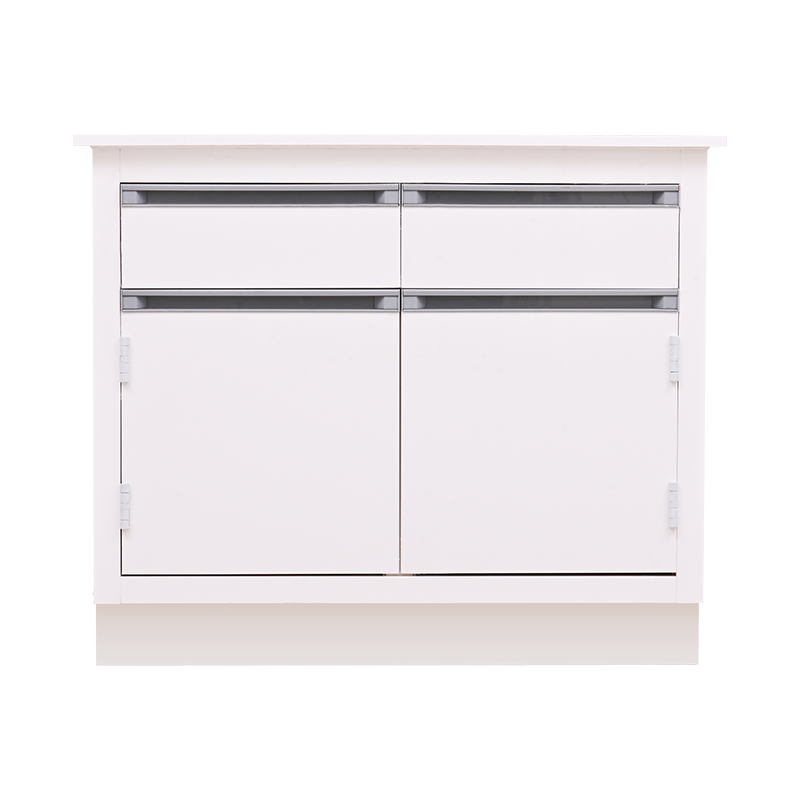
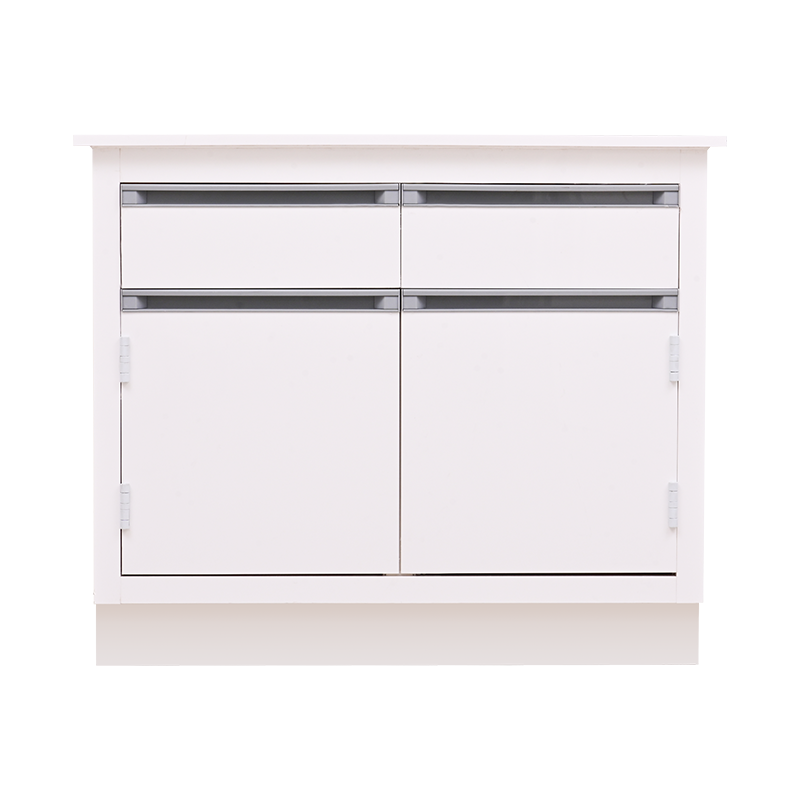
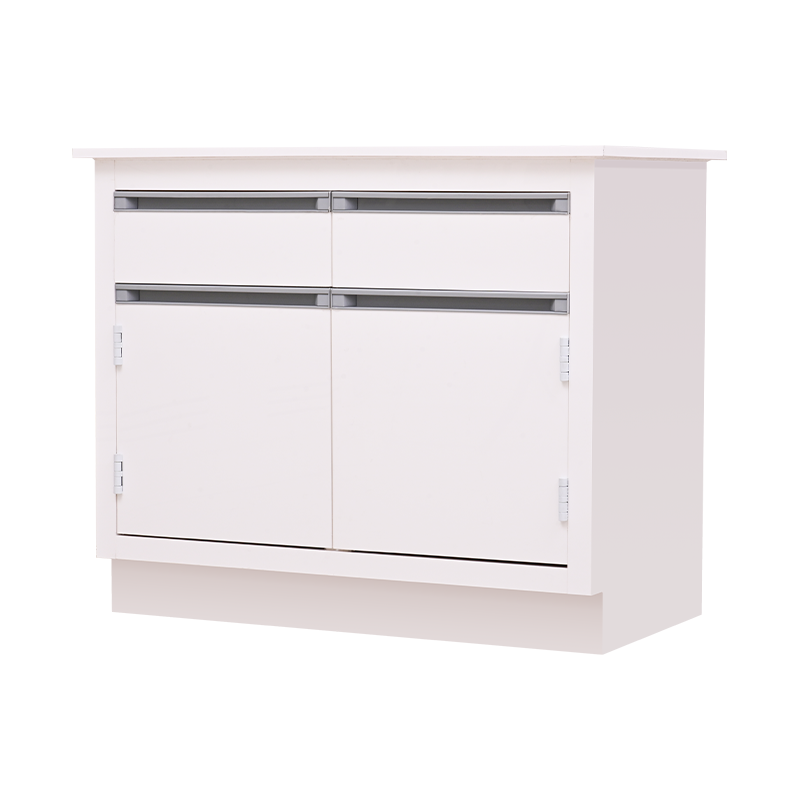
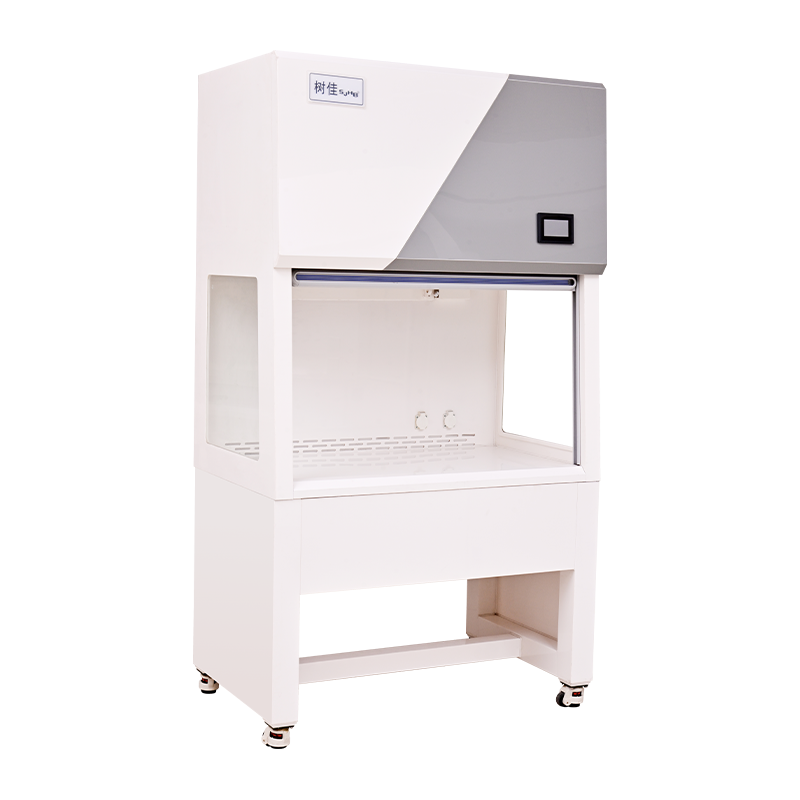
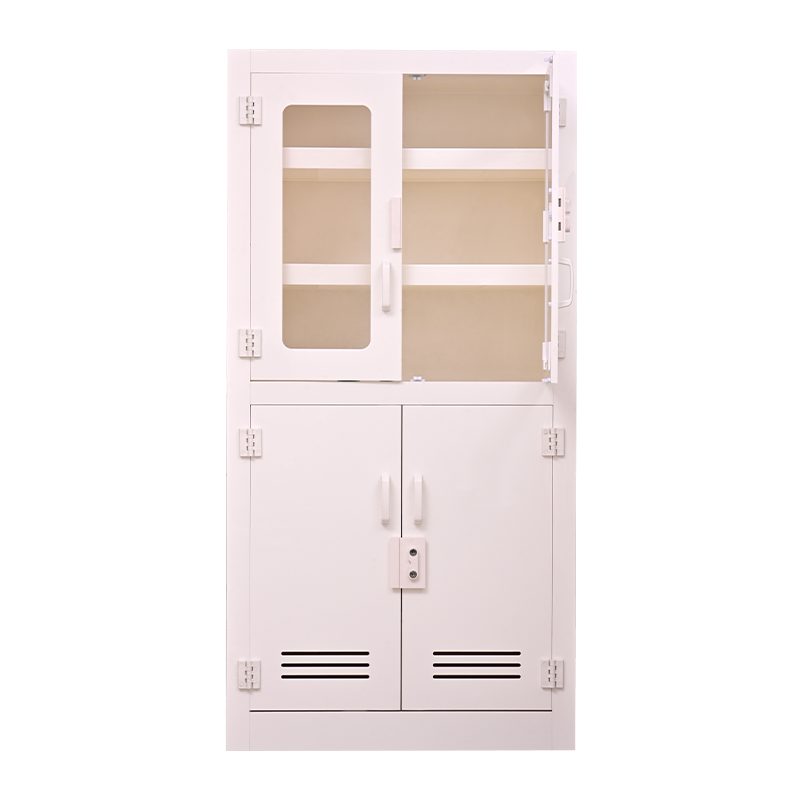
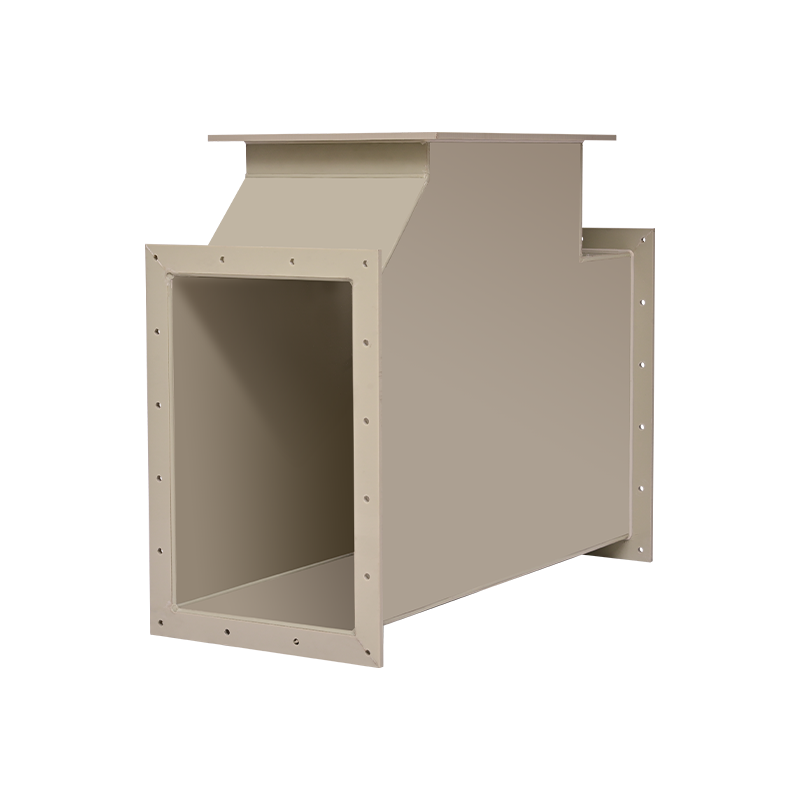
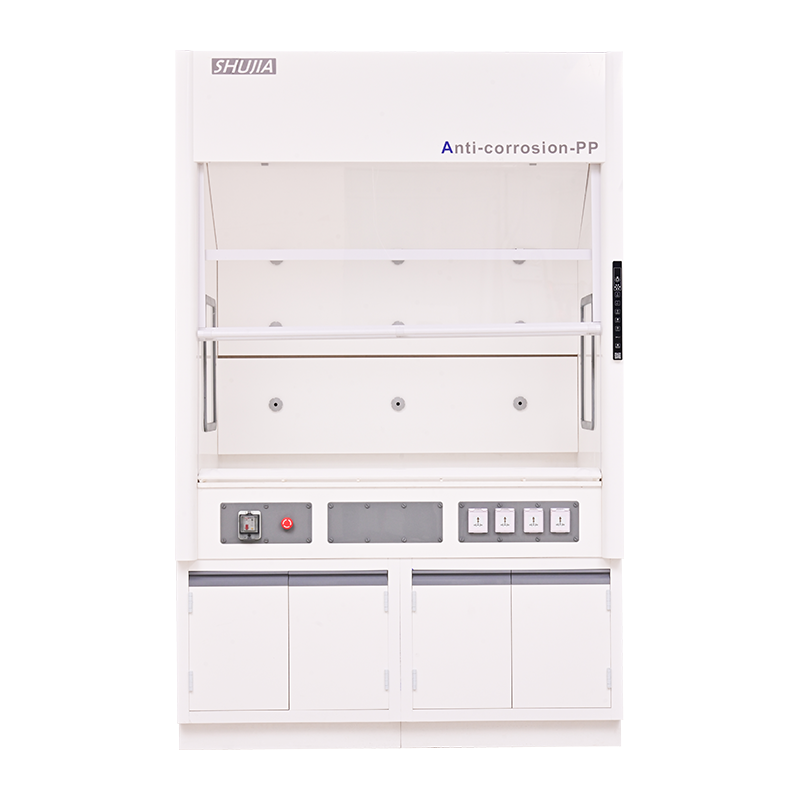
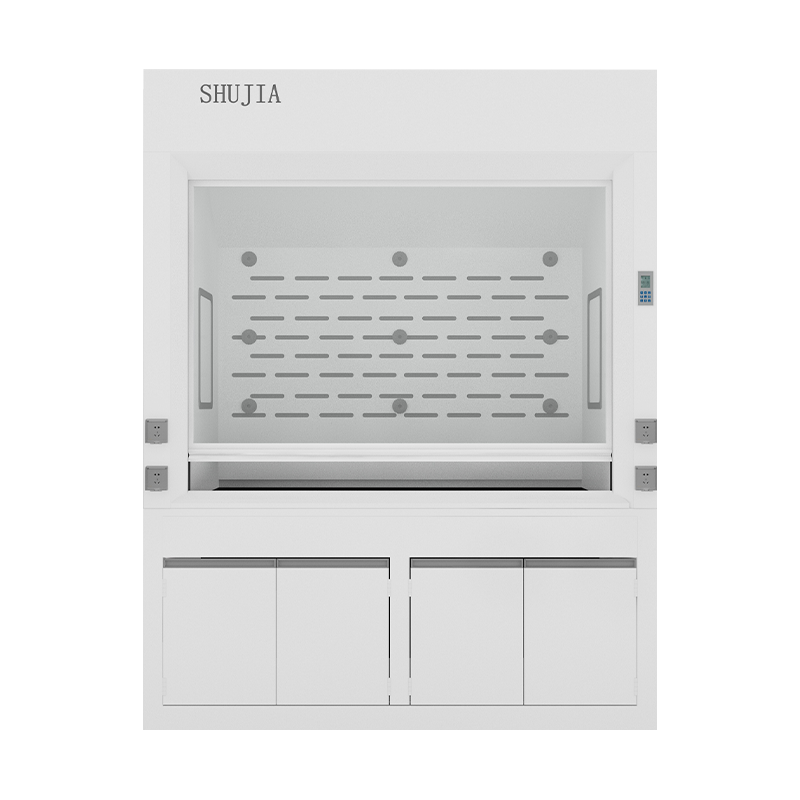
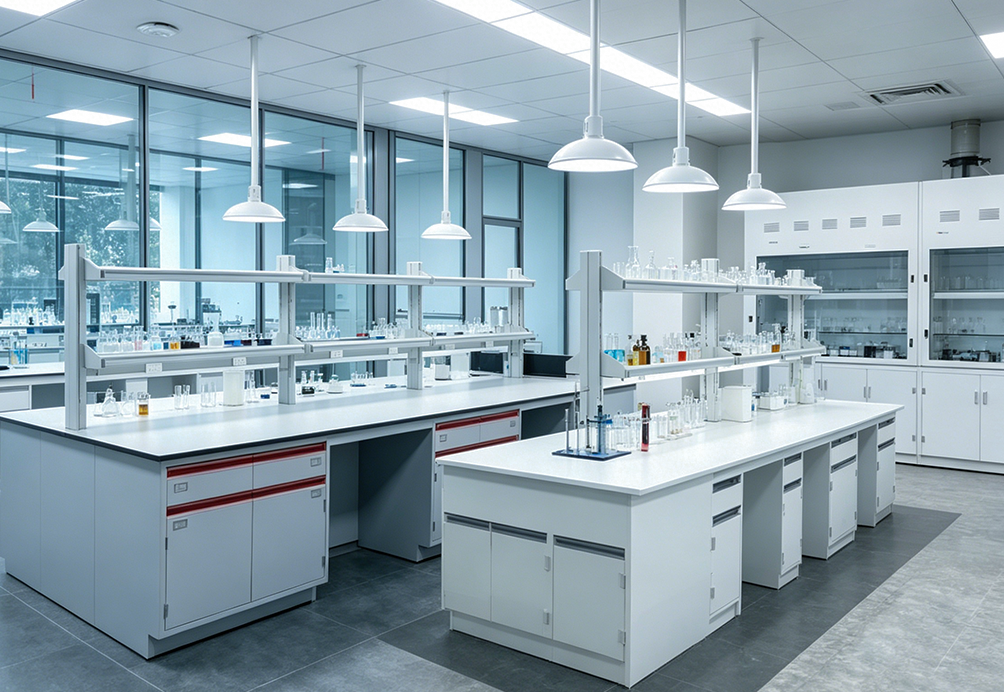
Shanghai Shujia Environmental Protection Engineering Co., Ltd. designs and builds the Laboratory PP Anti-Corrosion Side Experimental Platform manufacturer line as an integral-type laboratory bench for benches that meet acids, alkalis and solvents every working day. The carcass, doors and internal structure are formed from 8 mm PP board throughout, so there is no steel frame to rust and no painted surface to blister where splashes and vapours collect. We produce this furniture alongside fume hoods, reagent storage and waste gas equipment, which keeps the bench, ducting and exhaust interface inside one supply scope.
Purchasing teams, project engineers and distributors sourcing from China work directly with our own international sales department rather than through a trading intermediary. Standard modules are held at 550 mm platform depth with a 790 mm or 800 mm working height, so a wall-side run, peninsula or mobile island can be assembled from catalogue widths and closed out with project fillers, service cut-outs and colour selection.
- Single-door bench cabinets with movable wheels, 450 mm and 600 mm.
- Double-door bench cabinets, 900 mm and 1000 mm.
- Sink cabinets, 900 mm, 1000 mm and 1500 mm.
- Complementary acid-resistant hoods, reagent cabinets and exhaust components from the same production base.
Material Construction and Corrosion Behaviour
The bench is a fully non-rusting assembly: PP board carries the load, forms the door faces and lines the wet zones instead of a coated metal substrate. That construction suits washing areas, acid digestion benches and sample preparation rooms where steel legs and painted panels degrade within a few years.
- 8 mm PP board used consistently through carcass, doors and internal partitions.
- Corrosion-resistant and non-rusting across the whole module, not only the worktop zone.
- One-piece moulded drawer guide rails for smooth travel under continuous use.
- Handles in U-shaped PP or fully embedded form; hinges concealed, embedded or externally mounted.
- Colour options and on-demand dimensional changes handled as a configured item.
Standard Platform Configurations
| Cabinet type |
Available width |
Platform depth |
Working height |
Typical position |
| Single-door bench cabinet, movable wheels |
450 / 600 mm |
550 mm |
790 / 800 mm |
Mobile island, teaching bench, flexible station |
| Double-door bench cabinet |
900 / 1000 mm |
550 mm |
790 / 800 mm |
Wall-side run, peninsula, instrument bench |
| Sink cabinet |
900 / 1000 / 1500 mm |
550 mm |
790 / 800 mm |
Washing point, wet work, glassware cleaning |
Worktop Selection
We supply the platform with three worktop families so the bench surface matches the chemistry and handling it will actually see, rather than forcing one material across a whole laboratory floor.
| Worktop |
Character |
Where it fits |
| Anti-corrosion PP |
Homogeneous polymer surface, continuous with the platform material |
Acid and alkali handling, wet washing, routine solution preparation |
| Ceramic |
Hard fired surface with strong abrasion tolerance |
Digestion, hotplate work, benches with heavy glassware handling |
| Physicochemical board |
Resin-composite board for mixed daily use |
General analysis benches, university teaching labs, mixed reagent work |
Assembly, Reconfiguration and Installation
The structure is easy to assemble and disassemble, which matters when modules have to pass a service corridor, when a laboratory is built in phases, or when a bench run is later moved between rooms. Wheeled units allow a station to be repositioned without rebuilding the fixed run, and sink cabinets are prepared with plumbing cut-outs positioned from the approved layout.
Siting follows the planned service wall and aisle dimensions: fixed cabinets are levelled and aligned along the run, mobile units are left free, and the worktop is set over the finished carcass line. Where the bench sits under a hood or in a ventilated room, we coordinate the working height and platform depth with the surrounding equipment so the operator still has full sash travel and drawer access.
Where the Platform Fits in a Laboratory
The platform is a work surface and storage body, not a containment device. Vapours and aerosols are handled by the hood above the bench and by the exhaust system downstream, so the furniture is specified together with those components.
Applications we build for include third-party testing laboratories, chemical and petrochemical benches, university and research institute teaching laboratories, and biomedicine and CDC facilities where repeated disinfection and chemical exposure are normal.
Quality Control and Acceptance
Inspection is carried out after each production process, and finished platforms are inspected 100% against the customer's requirements and the applicable international standard before packing. Project acceptance criteria are agreed in advance so the delivered run can be checked against the same drawing used in production.
We are a core participating unit in the drafting of T/SLEA 0011-2023 Laboratory Fume Hoods and T/SLEA 1011-2023 Technical Specifications for Laboratory Design and Construction, Part 1: General Technical Requirements. Company documentation includes the business licence, construction industry enterprise qualification certificate and work safety permit.
Information We Use to Configure Your Solution
| Project input |
What we need |
What it decides |
| Bench layout |
Room drawing with wall lengths, service wall position and aisle widths |
Module widths, filler pieces, corner treatment, mobile versus fixed cabinets |
| Chemical exposure |
Acids, alkalis and solvents used, with concentrations and working temperatures |
Worktop family, sink material, hardware and rail selection |
| Services |
Number and position of sinks, water, gas and electrical points |
Sink cabinet size, cut-out positions, service riser locations |
| Exhaust interface |
Hood or snorkel position, duct route, air volume target |
Working height, platform depth, relationship to ducting and dampers |
| Ergonomics and finish |
Standing or seated work, operator height data, colour preference |
790 mm or 800 mm height, door and panel colour, handle style |
| Delivery scope |
Furniture only, or furniture with hoods, ducting and waste gas equipment |
Packaging split, shipment grouping and site sequencing |
Maintenance, Spare Parts and Customization
PP surfaces are cleaned with mild detergent and water; abrasive pads are avoided so the surface finish stays intact. Hinges, handles and drawer rails are replaceable components, and we retain the project drawing so repeat modules match an existing run in width, colour and service positions.
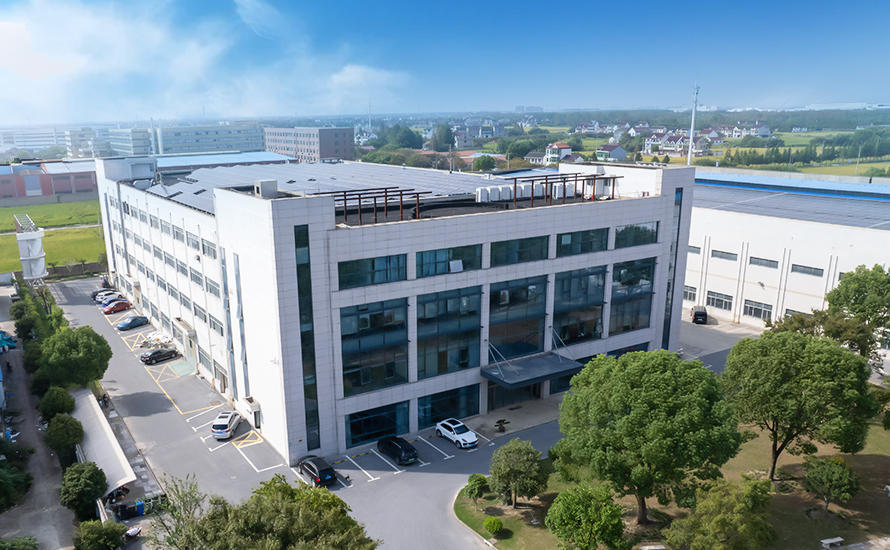
Custom development follows customer drawings or samples, covering non-standard widths, sink arrangements, drawer and door combinations, and colour-matched panels. Design, production, construction and service sit within one organisation, supported by three production bases in Jinshan District, Shanghai and a team of more than 200 people across production, technology, research, construction and service functions.
Frequently Asked Questions
What is the PP Anti-Corrosion Side Experimental Platform made from?
The platform is an integral-type bench built from 8 mm PP board throughout the carcass, doors and internal structure. It is corrosion-resistant and non-rusting, and the worktop can be supplied in anti-corrosion PP, ceramic or physicochemical board.
Which worktop should be specified for our chemistry?
Send us the acid, alkali and solvent list with concentrations and working temperatures. PP suits acid and alkali handling and wet washing, ceramic suits digestion and hotplate work, and physicochemical board covers general analysis and teaching benches.
Can widths, colours and sink positions be customized?
Yes. Our standard widths are 450 and 600 mm single-door wheeled cabinets, 900 and 1000 mm double-door cabinets, and 900, 1000 and 1500 mm sink cabinets at 550 mm depth with 790 mm or 800 mm height, and we develop non-standard modules, drawer and door combinations and colour matches from customer drawings or samples.
How does the bench connect to the laboratory exhaust system?
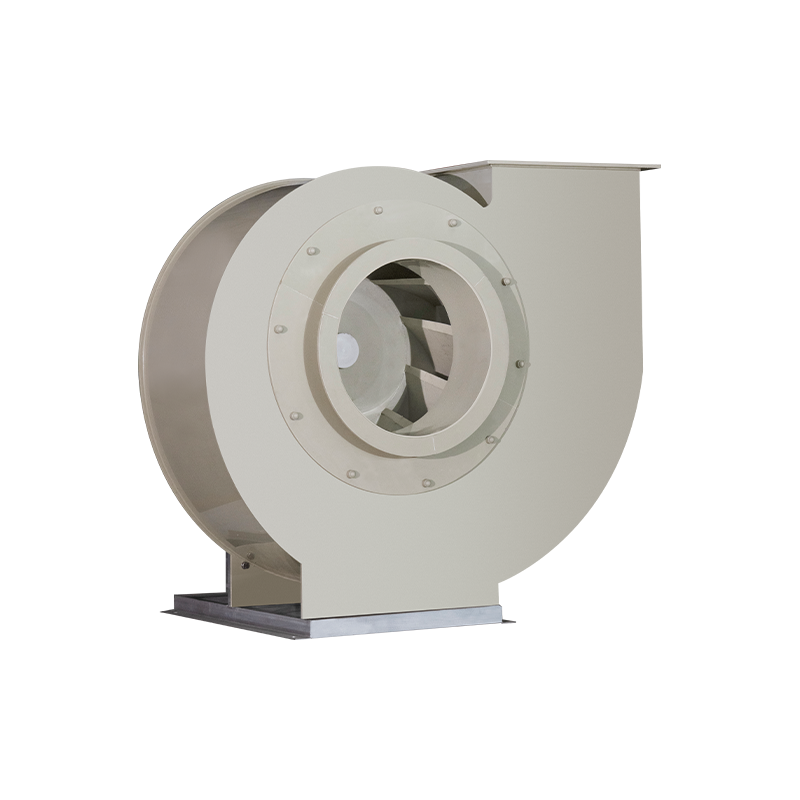
The platform works with the hood, ducting and gas treatment equipment in the same project. We coordinate platform depth, working height and service positions with the hood and duct route, and can supply fans, PP ducts, scrubber towers and carbon adsorption boxes as one scope.
How is quality verified, and how quickly do you reply to an inquiry?
Inspection takes place after each process, and finished products receive 100% inspection according to customer requirements and the applicable international standard. Inquiries receive a reply within 24 hours on working days.
Can the bench run be moved or extended later?
The structure assembles and disassembles easily, and wheeled cabinets can be repositioned without rebuilding the fixed run. We keep the project drawing so additional modules match the existing bench in width, colour and fixture positions.

 EN
 English
 عربى