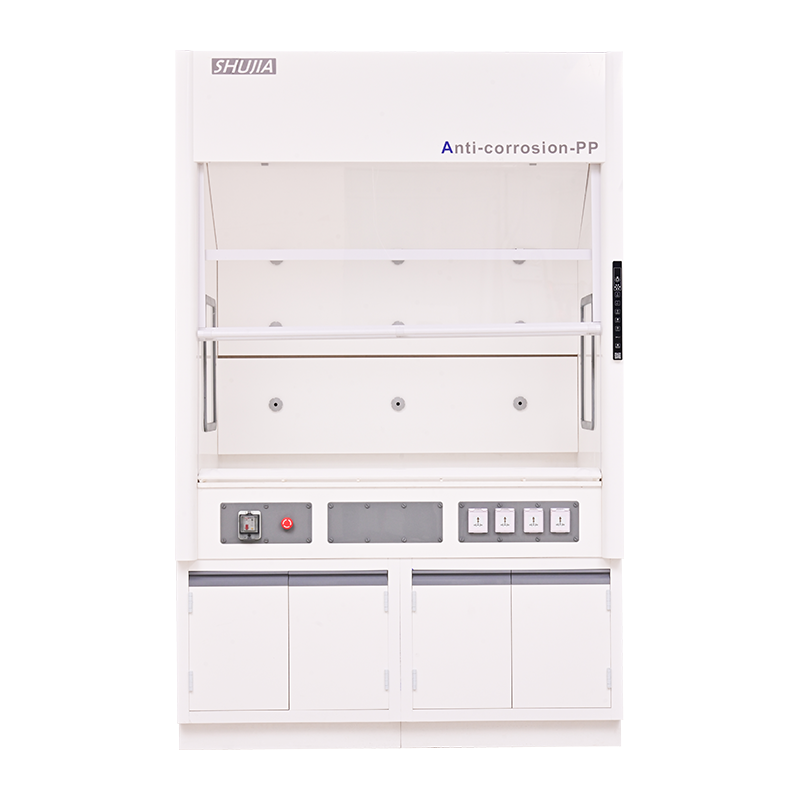
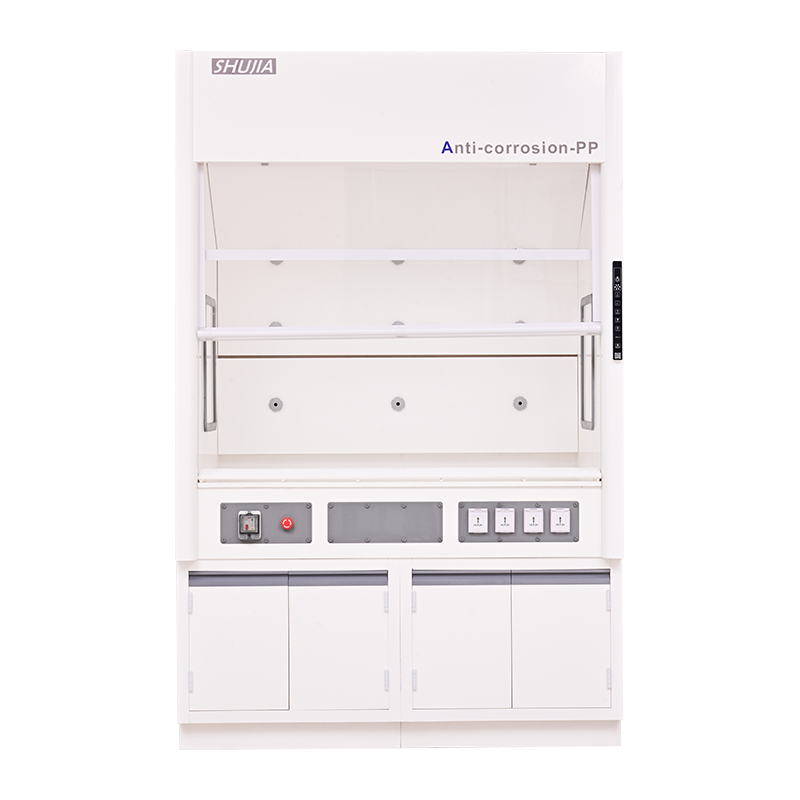
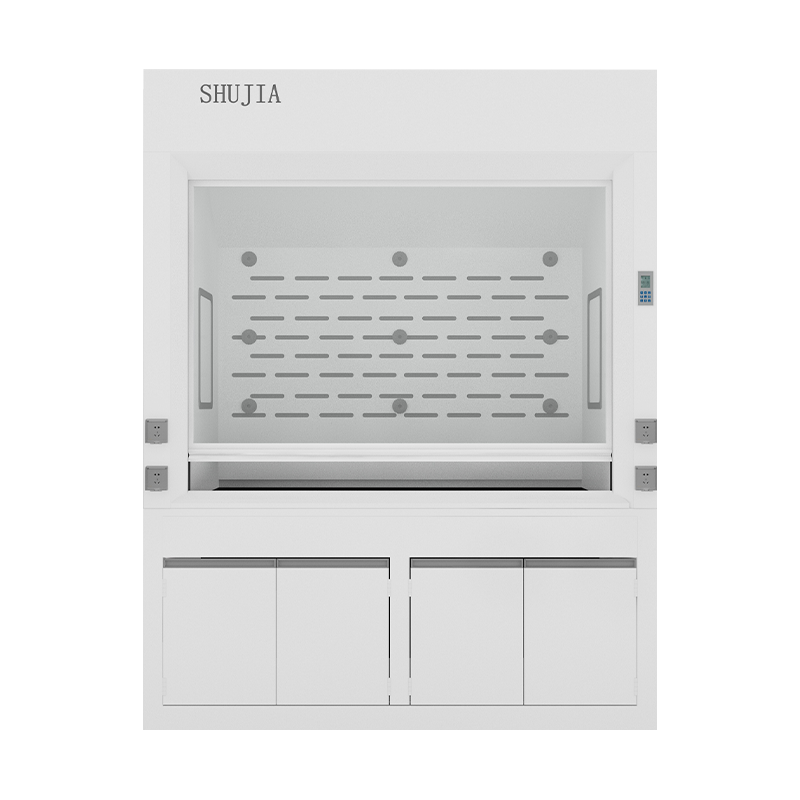
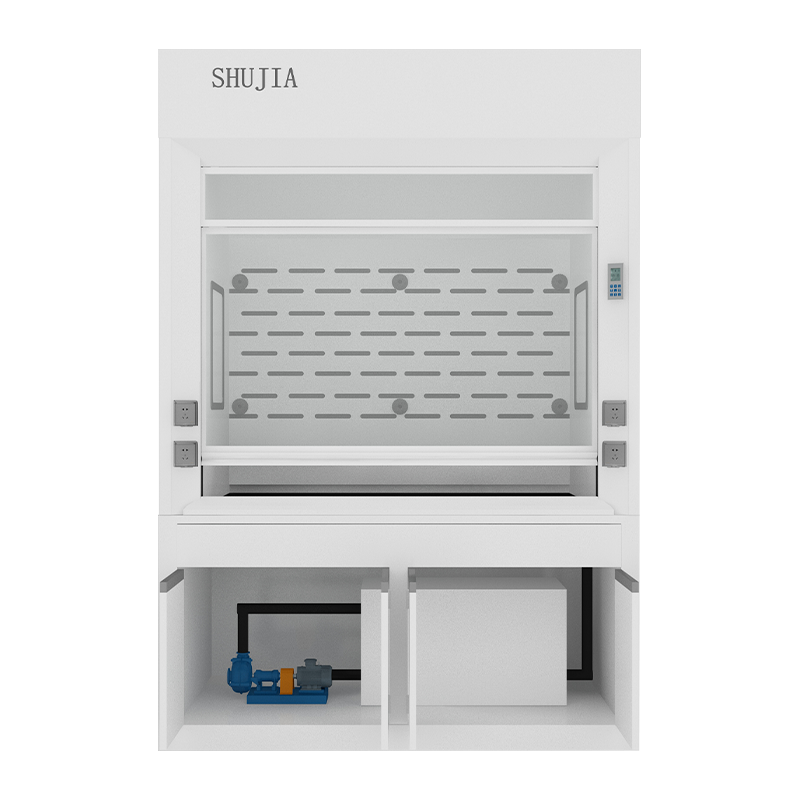
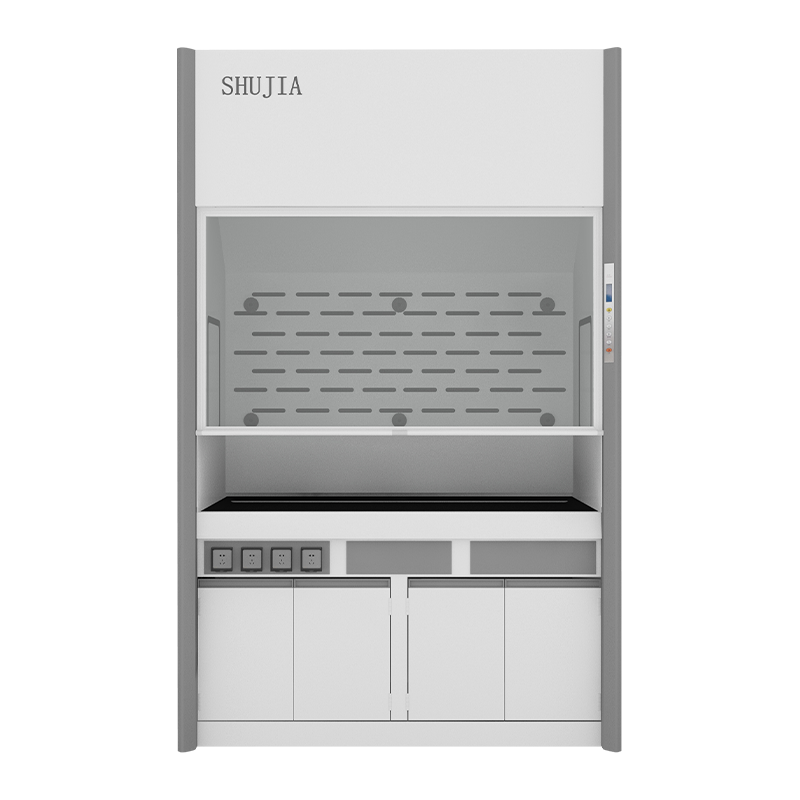
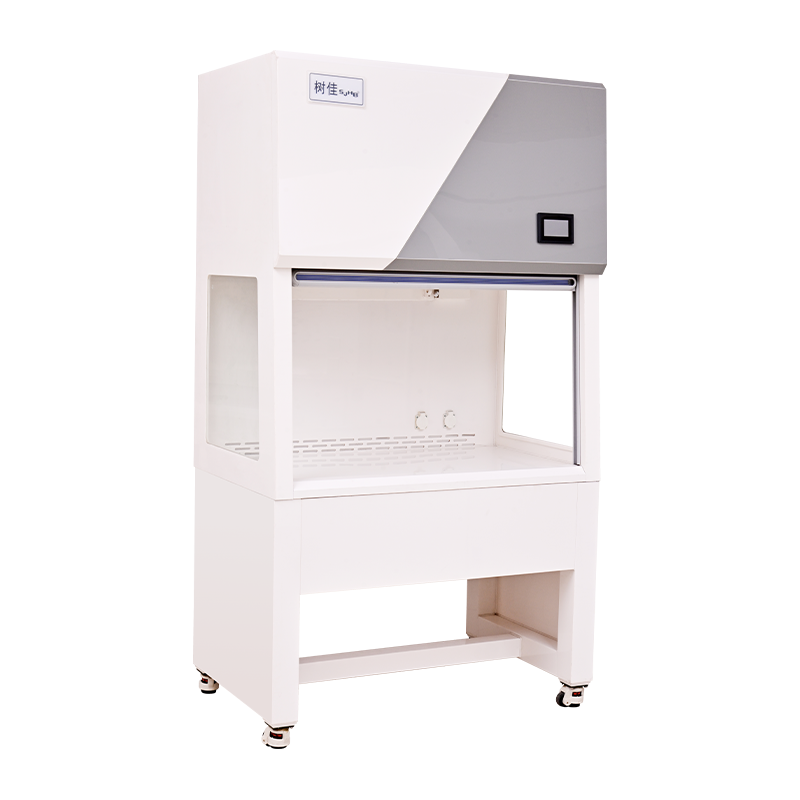
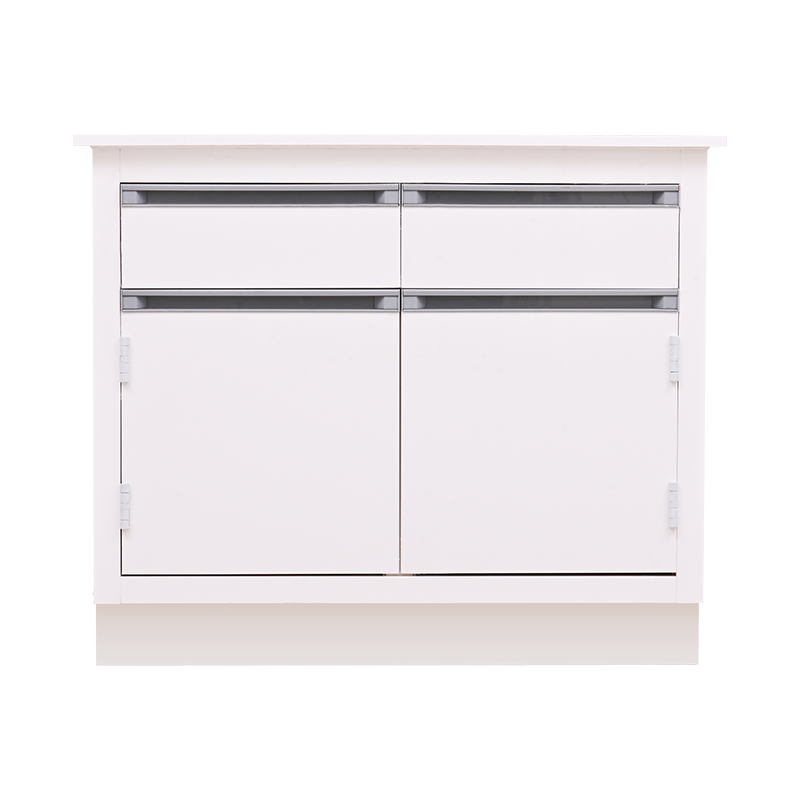
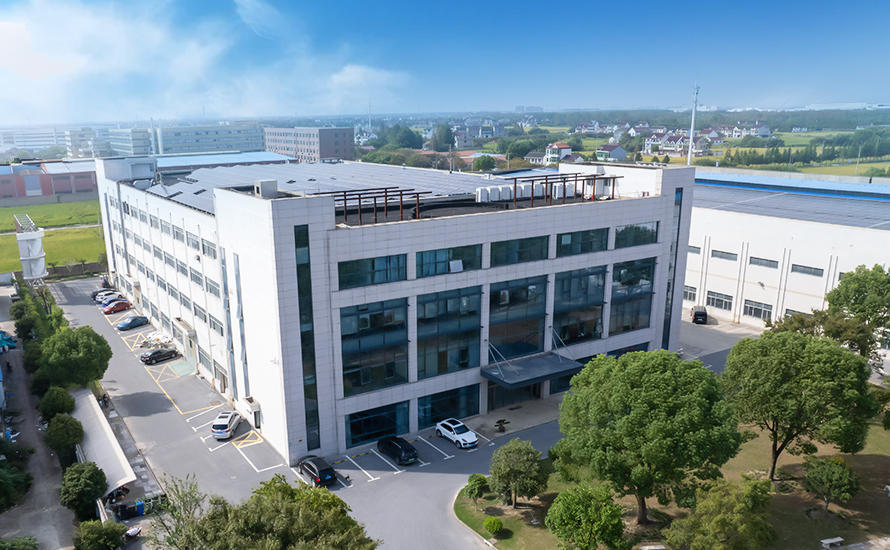
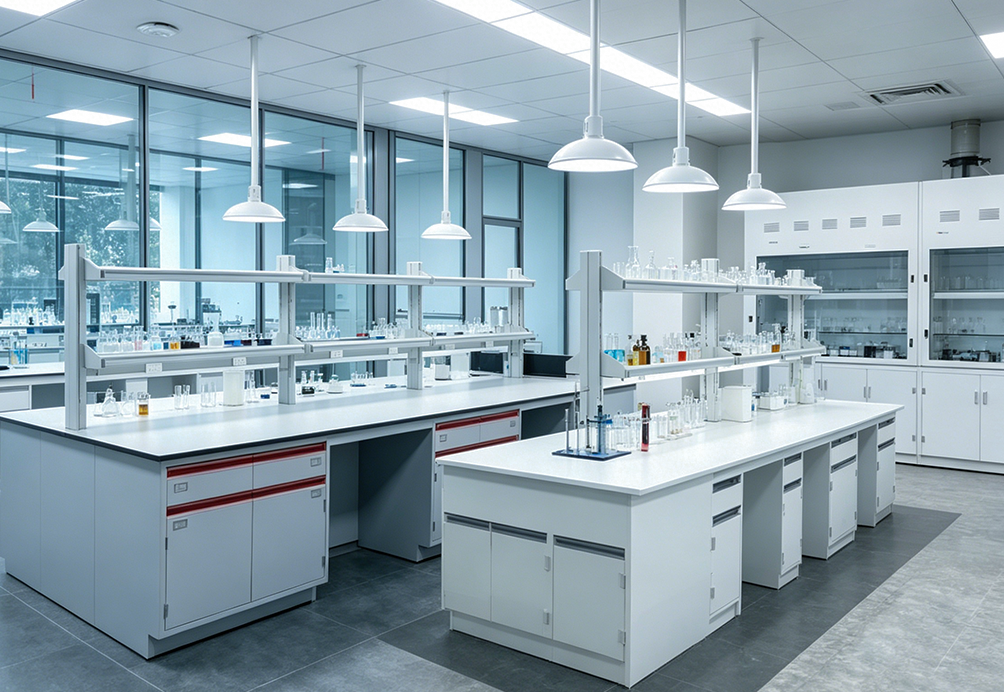
Shanghai Shujia Environmental Protection Engineering Co., Ltd. is a Shanghai-based laboratory ventilation and environmental equipment manufacturer. We research, design, produce, install and service fume hoods, laboratory furniture, waste-gas treatment equipment and intelligent environment control systems from three production bases covering 40,000 m² in Jinshan District, with a team of more than 200 people. The Laboratory SJHB PP23 Organic Chemical Synthesis Fume Hood is our polypropylene containment workstation for routine organic synthesis and moderate-corrosion chemistry, built for bench layouts where acids, alkalis and solvent vapours are handled daily.
What We Build in the PP23
Every wetted surface of the PP23 — cabinet body, airfoil deflector and collection hood — is fabricated from PP board rather than coated metal. Polypropylene does not depend on a paint film for corrosion resistance, so the containment boundary stays intact where acid mist and solvent condensate collect. The shell is reinforced with 口-, U- and T-shaped sections that raise rigidity and load-bearing capacity without over-thickening the panel set.
Containment is measured rather than assumed. The hood is third-party tested to CMA, CNAS and ILAC-MRA recognised methods and complies with ASHRAE 110-2016 and JB/T 6412-1999, with a harmful-gas leakage rate below 0.05. A movable vertical sash sits between the work zone and the operator and locks at any height, so the working aperture can be narrowed during a reaction and opened for setup.
- Design air volume: 1,100 m³/h
- Face velocity: stable 0.5 m/s
- Airflow: an optimised internal path reduces make-up air demand, contributing to over 26% energy savings against conventional hoods
- Standard sizes: 2350 × 850 × 1200 / 1500 / 1800 mm
Our Range and Where Each Type Fits
The PP23 is one station within a wider laboratory furniture and exhaust programme. The table below sets out how we position each family we supply, so a project can be assembled from compatible parts rather than mixed equipment.
| Product |
Construction focus |
Typical application |
| SJHB PP23 Organic Chemical Synthesis Fume Hood |
All-PP body, airfoil deflector, collection hood, locking vertical sash |
Routine organic synthesis, acid and alkali handling, moderate-corrosion bench work |
| SJHB PP22 Dissolve Fume Hood |
PP construction for wet dissolution work |
Sample dissolution, preparation and wet chemistry |
| SJHB PP24 Perchloric Acid Fume Hood |
Dedicated PP hood for perchloric acid service |
Perchloric acid digestion and trace-element preparation |
| SJHB PP21 Supplemental Ventilation Cabinet |
Local exhaust enclosure |
Supplemental capture for instruments and small vessels |
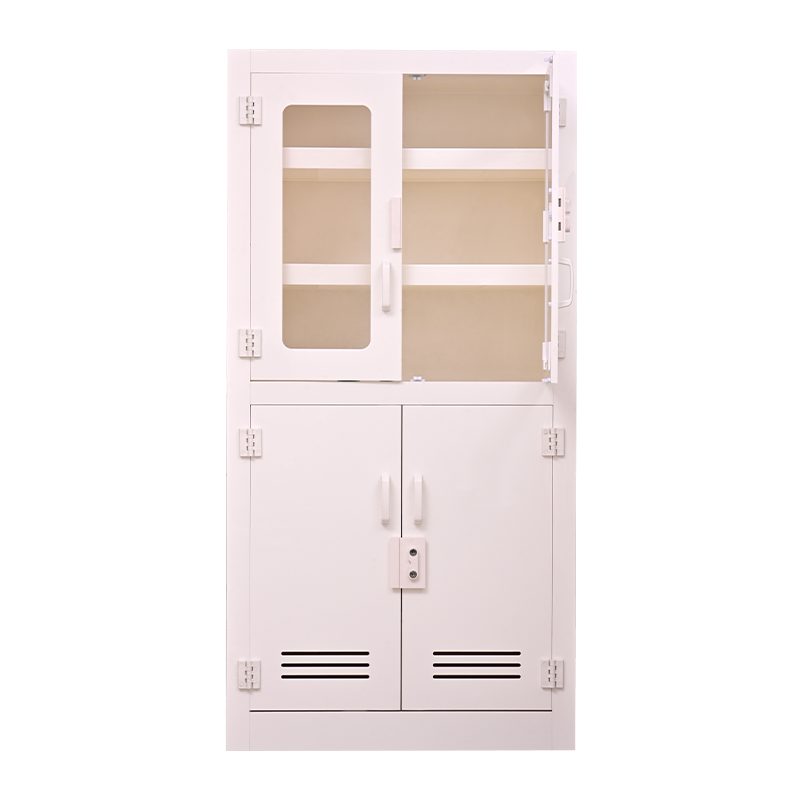
| PP Ventilated Reagent Cabinet / Vessel Cabinet |
Ventilated PP storage body |
Reagent and vessel storage under continuous exhaust |
| PP Anti-Corrosion Side Experimental Platform |
PP bench platform |
Side benches inside corrosive work zones |
| Customized Ventilation Room |
Project-built enclosure |
Large-scale or multi-station containment |
| PP Ultra Clean Platform / Semiconductor Ultra Clean Cabinet |
Clean-air working zone |
Cleanroom and semiconductor-adjacent operations |
| VAV High-Speed Damper Actuator |
Fast-response damper control |
Variable air volume hood control and room pressure balance |
| PP Air Duct and Accessories |
Corrosion-resistant ducting |
Exhaust routing from hood to treatment stage |
| Anti-Corrosion Centrifugal Fan |
Corrosion-resistant fan |
Exhaust transport across the duct run |
| Wet Scrubber Tower |
Wet scrubbing stage |
Acid mist and water-soluble pollutant removal |
| Activated Carbon Adsorption Box |
Carbon adsorption stage |
VOC and odour polishing before discharge |
The PP23 covers general organic synthesis. Where the chemistry changes, the specification changes with it: the SJHB PP22 Dissolve Fume Hood serves dissolution and sample preparation, while the SJHB PP24 Perchloric Acid Fume Hood is configured for perchloric acid digestion.
Critical Specifications at a Glance
| Parameter |
Specification |
| Cabinet construction |
PP board body, airfoil deflector and collection hood |
| Reinforcement |
口-, U- and T-shaped sections for rigidity and load-bearing strength |
| Sash |
Movable vertical sash, locks at any height |
| Design air volume |
1,100 m³/h |
| Face velocity |
0.5 m/s |
| Harmful-gas leakage rate |
Below 0.05 |
| Overall dimensions |
2350 × 850 × 1200 / 1500 / 1800 mm |
| Compliance |
ASHRAE 110-2016, JB/T 6412-1999 |
| Third-party testing |
CMA, CNAS and ILAC-MRA recognised laboratories |
Application Fit and Material Selection
We supply PP hoods into third-party testing laboratories, chemical and petrochemical facilities, university and research institutes, and biomedicine and CDC environments. In each of these settings the deciding factor is the vapour and condensate chemistry at the bench, not the room finish.
- Acid and alkali vapours: PP board is the containment material of choice where metal panels would need a coating that can be breached by scratches or condensate.
- Solvent handling: organic synthesis releases solvent vapour continuously; the 1,100 m³/h design air volume and 0.5 m/s face velocity are set to hold containment across the sash travel.
- Perchloric acid: handled in a dedicated hood rather than the PP23, because the service conditions differ from routine synthesis.
- Dissolution and wet preparation: routed to the PP22, which is configured around wet sample work.
- Heat and splash: work surface, spill containment and internal clearances are confirmed against the vessel sizes and hotplate positions used in the method.
Configuration, Controls and Exhaust Integration
We configure the control system around the required line interface. A PP23 can be supplied as a constant-air-volume station or prepared for variable air volume operation using the VAV High-Speed Damper Actuator, which responds to sash position and helps hold room pressure while reducing conditioned air loss.
Exhaust-side scope is matched to the chemistry: PP ducting and fittings, an anti-corrosion centrifugal fan sized to the duct run, and downstream treatment through a wet scrubber tower or activated carbon adsorption box where acid mist, VOCs or odour must be removed before discharge. Service fixtures, electrical sockets, gas and water valves, interior lighting and base storage are selected per bench layout.
Quality Control and Acceptance
Raw materials are selected before production, and inspection is carried out after each process step. Finished hoods receive 100% inspection against the customer's requirements and the applicable international standard, covering corrosion resistance, structural stability and sash operation. Performance verification for the PP23 is supported by third-party testing to CMA, CNAS and ILAC-MRA recognised methods, with results referenced to ASHRAE 110-2016 and JB/T 6412-1999.
Our engineering team participates in the drafting of T/SLEA 0011-2023 Laboratory Fume Hoods and T/SLEA 1011-2023 Technical Specifications for Laboratory Design and Construction — Part 1: General Technical Requirements, and we hold a Construction Industry Enterprise Qualification Certificate, a Work Safety Permit and a Business License.
Installation, Utilities and Operator Safety
- Duct connection point, stack route and fan position are fixed before delivery so site work follows the approved layout.
- Make-up air strategy is agreed with the exhaust design, since the PP23's optimised airflow lowers the volume of conditioned air that must be replaced.
- Electrical supply for lighting, sockets and any VAV actuator is confirmed against the local power arrangement.
- Water, gas and vacuum services are positioned to keep the working aperture clear.
- The vertical sash locks at any height, allowing operators to work behind a reduced opening during active reactions.
Maintenance, Spare Parts and Documentation
PP construction removes the repainting and coating repair that metal hoods require, so routine attention concentrates on the sash mechanism, gaskets, service valve cartridges, lighting and the exhaust path. We supply replacement parts for the hood and for the associated ducting, damper actuators and treatment equipment, and we provide documentation covering dimensions, materials, airflow data and service points so maintenance teams can plan inspections.
Information We Use to Configure Your Solution
Our proposal is based on the working point, material and production target rather than a catalogue number alone. To prepare a configuration and quotation for the SJHB PP23 Organic Chemical Synthesis Fume Hood, we work from:
- Reagent and solvent list, including acid, alkali and perchloric acid exposure
- Vessel sizes, hotplate positions and expected heat load at the bench
- Bench layout, available width and the required 1200 / 1500 / 1800 mm height
- Exhaust route, duct length, fan location and discharge point
- Make-up air arrangement and whether VAV control is required
- Service fixture, socket and lighting requirements
- Site conditions, installation scope and acceptance standard
- Drawings or samples where a non-standard size or layout is needed
Frequently Asked Questions
What chemistry is the PP23 intended for?
It is built for chemical synthesis work and moderate-corrosion applications — routine reactions involving acids, alkalis and corrosive fumes. Perchloric acid digestion is served by the SJHB PP24, and wet dissolution work by the SJHB PP22.
What sizes can you supply?
Standard overall dimensions are 2350 × 850 mm with heights of 1200, 1500 or 1800 mm. We also develop and produce hoods to customer drawings or samples where a bench layout requires different dimensions.
How is containment verified?
The hood is third-party tested to CMA, CNAS and ILAC-MRA recognised methods and complies with ASHRAE 110-2016 and JB/T 6412-1999. Design figures are 1,100 m³/h air volume, 0.5 m/s face velocity and a harmful-gas leakage rate below 0.05.
Can the hood be integrated with a VAV system?
Yes. We supply the VAV high-speed damper actuator together with PP ducting, anti-corrosion centrifugal fans, wet scrubber towers and activated carbon adsorption boxes, so the hood, exhaust transport and treatment stages come from one supply chain.
Are you a manufacturer or a trading company?
We are a direct manufacturer with our own international sales department, producing and selling in-house. Our three production bases cover 40,000 m², and inquiries are answered within 24 hours on working days.
What do you need to quote a PP23 installation?
Send the reagent list, vessel and heat-load details, bench layout with available width, exhaust route and discharge point, service requirements and the acceptance standard. With those inputs we return a configured hood, matched exhaust components and a delivery scope.

 EN
 English
 عربى