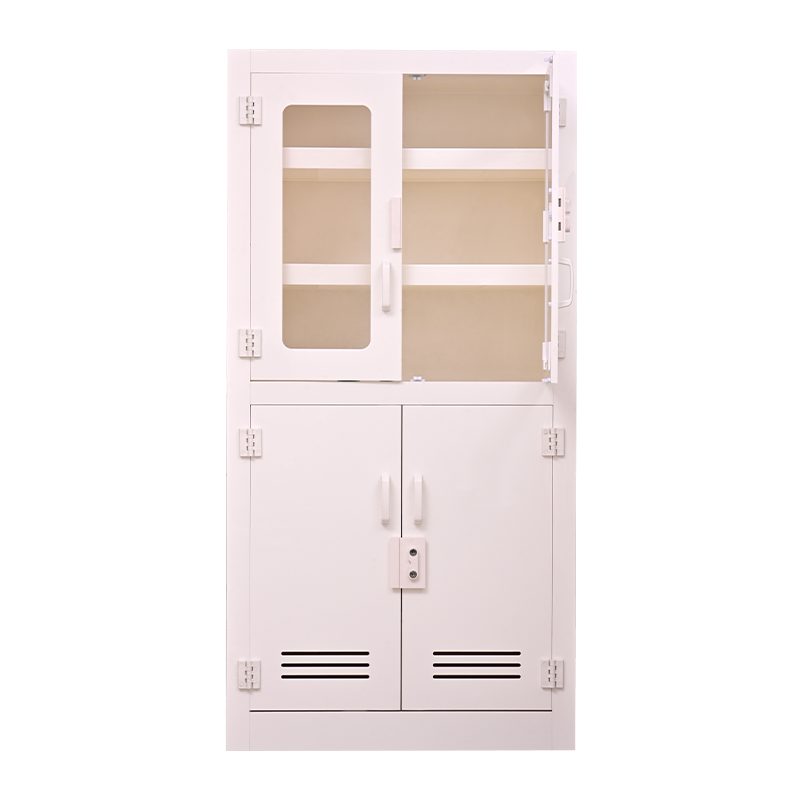
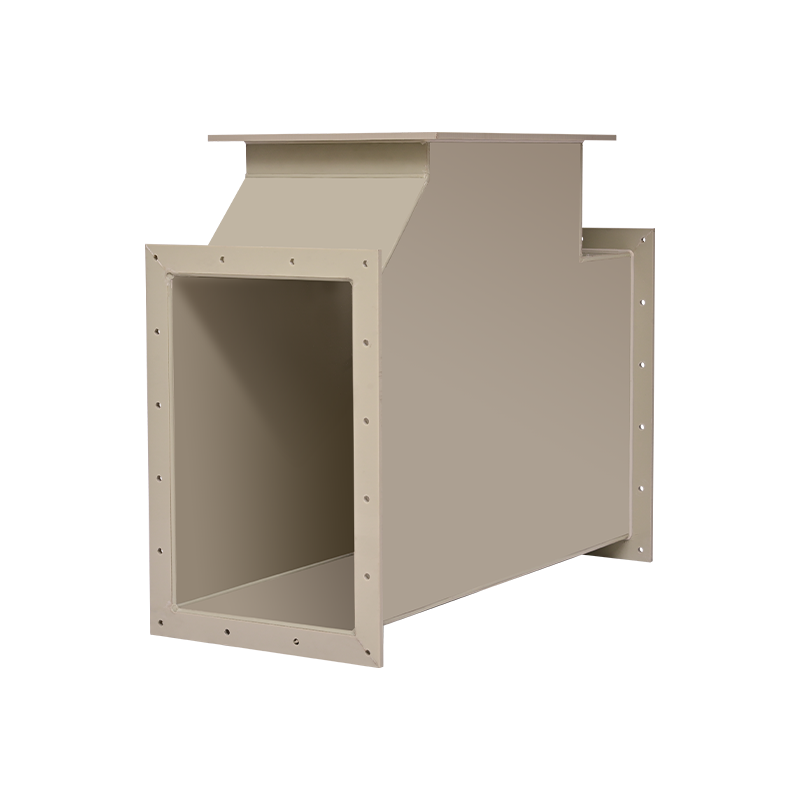
Acid storage IBCs are common in laboratories that receive concentrated acids in bulk. The container may look simple—a cage, a plastic bottle, a valve, and a pallet—but acid service puts every part under stress. Vapors attack caps and gaskets, a dripping valve can quietly damage a floor, and one incompatible acid can turn a routine delivery into an incident.
This guide is for laboratory managers, EHS teams, facility engineers, and anyone who has to make an IBC practical in a working lab. Good storage is rarely about a single product. It is a system that stays safe during filling, daily use, and the small spills that inevitably happen.
What an Acid Storage IBC Is—and What It Is Not
An acid storage IBC is an intermediate bulk container placed into acid service. Most laboratory sites use composite IBCs with a high-density polyethylene inner bottle inside a steel cage, all-poly IBCs, or stainless-steel units for particular duties. The size is convenient—often 500 to 1,000 liters—but that convenience is exactly why the details matter. A large container holds a large inventory, and a leak has more time to spread.
Treat the IBC as an assembly, not just a tank. The inner bottle or liner, fill cap, vent, valve, gasket, dip tube, pump, and pallet base all contact acid or acid vapor. A stainless-steel valve on a plastic IBC may be the weak point if the acid attacks the seal. A replacement gasket bought for a water tote may not be suitable for nitric or hydrochloric acid.
“Acid” is also too broad to guide procurement. Hydrochloric, sulfuric, nitric, phosphoric, acetic, formic, and perchloric acids behave differently. Concentration and temperature change the risk, and mixtures can be more aggressive than either component alone. Hydrofluoric acid needs a separate conversation because of its toxicity and its ability to attack glass and many materials. Perchloric acid also deserves specialist review, especially when concentrated or heated.
Start With the Acid, Not the Container
Begin with the safety data sheet, the supplier’s compatibility guidance, and a written review of the whole wetted path. Do not accept a generic “acid-resistant” label as proof. Ask the IBC maker to confirm the inner bottle, liner, gasket, valve, vent, and any pump or dip tube against the specific acid, concentration, and temperature range. If acid is transferred into a smaller container, include that container, funnel, and hose in the review.
The table below is a practical starting point. It is not a substitute for the manufacturer’s compatibility chart or local regulatory requirements.
The table focuses on the checks that matter most for acid service; always confirm final compatibility with the IBC maker and the acid supplier.
| Check |
What good practice looks like |
| Acid identity and concentration |
Use the SDS and supplier data, not a general “acid” label. Record concentration and temperature range. |
| Wetted materials |
Verify the bottle, liner, gasket, valve, vent, dip tube, and pump—not just the tank body. |
| Venting and pressure |
Use a vented closure designed for acid service. Do not rely on a loosely fitted cap. |
| Marking and inspection |
Check UN markings where applicable, test dates, and signs of damage before filling. |
| Cleaning and changeover |
Use a documented procedure. Do not assume an emptied acid IBC is safe to reuse. |
Secondary Containment and Daily Layout
Secondary containment is the first line of defense when a valve, hose, or cap fails. Place acid IBCs on a spill pallet or bund designed for the container size and compatible with the acid. A common planning benchmark is 110% of the largest container’s volume, but local environmental and fire rules may add aggregate capacity, freeboard, or roof requirements. Check the actual rule for your site.
Good containment is more than a tray under the IBC. The sump must be empty, accessible, and free of old spills. The floor should be impermeable and slope away from drains. Keep incompatible acids apart—oxidizing acids away from organic materials and solvents, for example—and separate acids from bases and cyanides. Outdoors, shade the IBC from direct sun, protect it from freezing, and keep stormwater out of the bund. Indoors, keep storage away from heavy traffic and any drain that could carry a spill to the environment.
Drip trays under valves and pumps are small but valuable. So are clear aisle markings and a no-storage zone around eyewash and shower stations. The goal is to make the safe action the easy action.
Ventilation and Fume Control
Acid vapors, mists, and aerosols can corrode fixtures, irritate airways, and damage nearby equipment. General room ventilation helps, but it is not a substitute for source control during filling, venting, and dispensing. IBCs breathe as temperature and pressure change, and a cap loosened to relieve pressure can release vapor directly into the room.
Use a dedicated exhaust strategy for the storage area. Keep the IBC area under negative pressure relative to adjacent spaces where practical, provide make-up air, and avoid recirculating acid-laden air into other rooms. Exhaust ducts, fans, and hoods must be selected for acid service; ordinary galvanized duct is a poor choice for many acid vapors. Route exhaust away from occupied air intakes and follow local discharge rules.
Where an IBC must sit inside a room or enclosure, a custom ventilation room can provide controlled airflow, containment, and access while keeping the container out of general laboratory traffic.
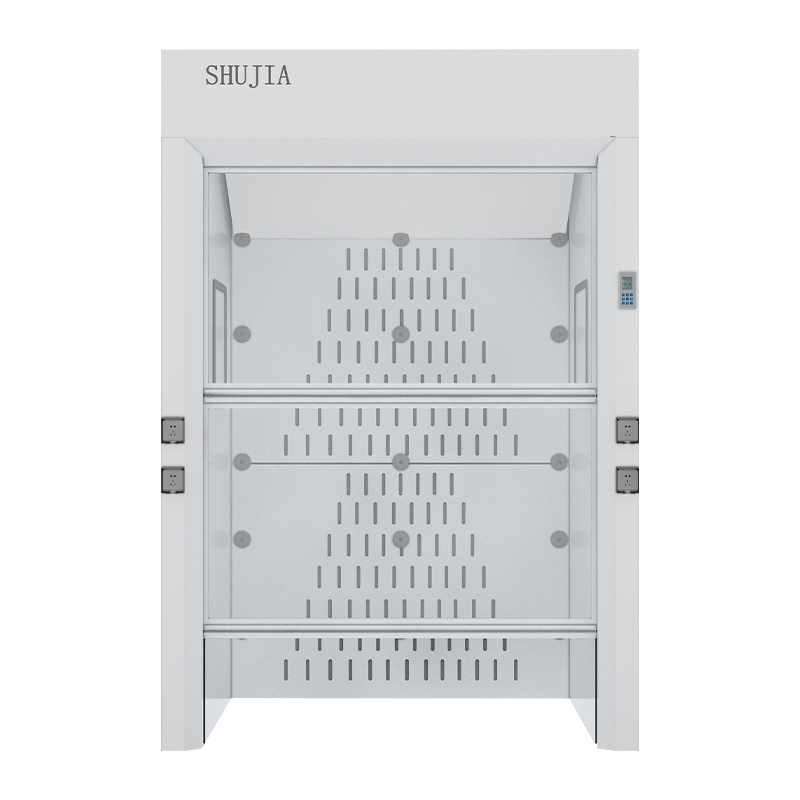 Custom Polypropylene Ventilation Room for Large-Scale Chemical WorkWalk-in polypropylene enclosure with reinforced frame and customizable airflow, doors, and layout for IBCs, large instruments, and bulk chemical work.View Product →
Not every acid container is an IBC. Smaller day-use bottles and vessel storage also need a defined, ventilated place. A ventilated reagent cabinet keeps vapors captured at the source and gives the team a consistent place to return containers after use.
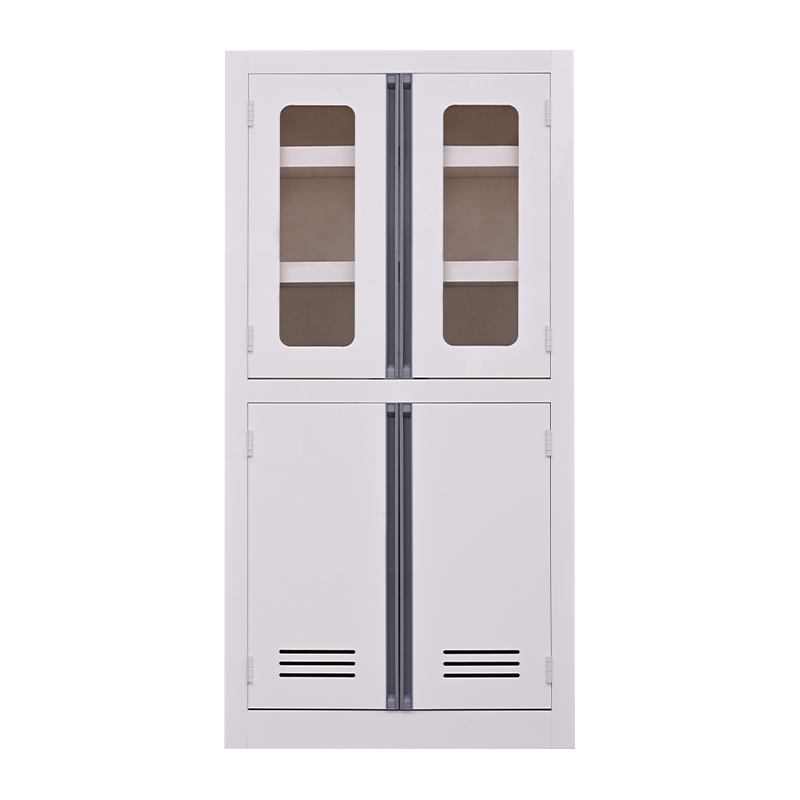 PP Ventilated Reagent and Vessel Storage CabinetCorrosion-resistant polypropylene cabinet with independent ventilation and adjustable shelves, giving day-use bottles and vessels a defined, ventilated storage point.View Product →
Airflow alone is not enough. Monitor the space for corrosion, condensation, and blocked grilles. If the acid gives off water-soluble gases, the exhaust may need a wet scrubber rather than a generic carbon filter. Carbon is useful for many organic vapors, but it is not a universal acid-gas solution. The right choice depends on the acid, concentration, airflow, and discharge limits.
Handling, Dispensing, and Preventing Small Failures
Most acid incidents begin with a small handling error: a hose left in a container, a valve partly open, a cap cross-threaded, or a pump used beyond its duty. Write a short dispensing procedure and keep it at the point of use. Use a compatible pump or gravity feed rather than lifting or tipping an IBC. Keep the hose end controlled, close the valve when transfer is finished, and never leave a transfer unattended.
Label every container, including secondary containers and spray bottles. Use a drip tray and have absorbent or neutralizer suitable for the acid within reach. If the acid is flammable or the site handles flammable liquids nearby, review bonding and grounding requirements with a specialist. Acid service alone is not a reason to assume flammable precautions, but a mixture or solvent-bearing waste stream may change the classification.
Training should be practical: where the valves are, how to stop a leak, which spill kit to use, and who to call. A short drill is more useful than a binder no one opens.
Inspection, Housekeeping, and Emergency Readiness
Inspection is where experience pays. Look for staining, crystals around the cap, bulging, cracks, soft spots, damaged pallets, and drips at the valve. Check the bund for liquid and the vent for blockage. Record the date and result. A container that has changed color or shape should be taken out of service until assessed.
Keep the top of the IBC clean so a spilled drop does not hide under dust. Store hoses off the floor. Replace worn gaskets with the correct material. Keep eyewash, safety shower, spill response equipment, and a written emergency plan close to the storage area, and make sure the route to them is clear.
Emergency response should match the acid. A spill kit for hydrochloric acid is not automatically right for hydrofluoric acid. HF incidents need specialized first aid and medical follow-up. If your site uses HF, train the team separately and keep the required supplies available.
Acid Exhaust and Waste Treatment
Acid exhaust and acid waste are different problems, and both need an owner. On the exhaust side, confirm that the fan, duct, hood, and treatment device are compatible with the acid. Water-soluble acid gases are often handled with a wet scrubber; organic vapors may need a different approach. A corrosion-resistant fan and PP duct are common choices in laboratory service, but the whole system still needs balancing and maintenance.
On the waste side, segregate acids from solvents, oxidizers, and incompatible wastes. Do not neutralize acid waste in a storage IBC or in an unventilated room without a written procedure. Use labeled waste containers, secondary containment, and a licensed waste contractor. If you are reviewing the bigger picture, our note on laboratory waste gas treatment explains why exhaust should be designed with the same care as the storage area.
When acid gases must be captured before discharge, a wet scrubber tower can be part of the treatment train. Selection should be based on the acid, loading, airflow, and local limits—not on a generic “scrubber” label.
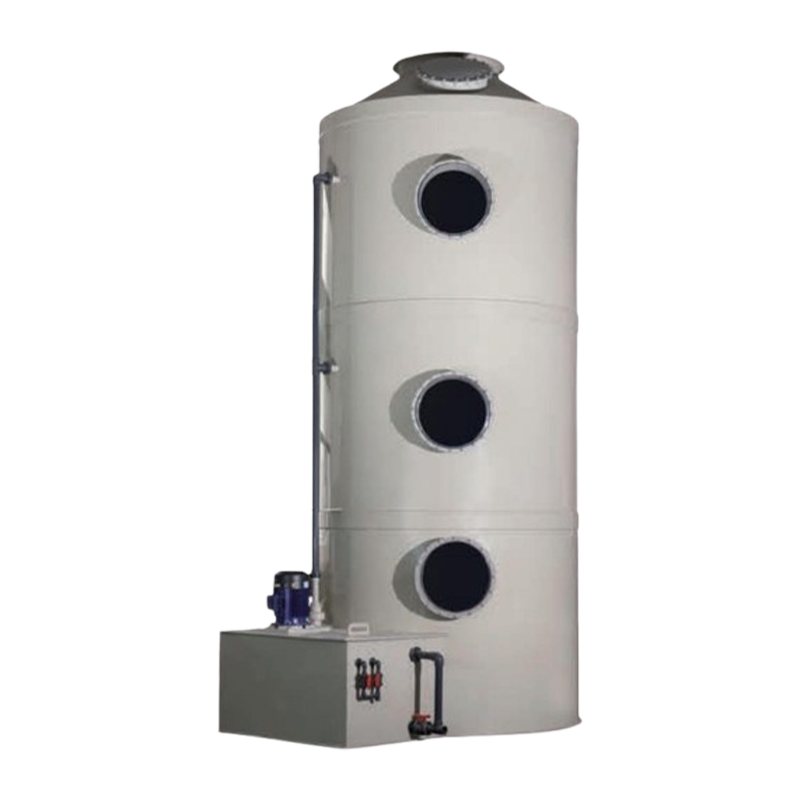 Wet Scrubber Tower for Acid and Water-Soluble Exhaust GasesGas-liquid scrubbing tower that neutralizes acidic and water-soluble pollutants, available in PP, stainless steel, or fiberglass with horizontal or vertical configurations.View Product →
A Practical Planning Checklist
- Confirm the acid identity, concentration, temperature, and mixture risks.
- Verify compatibility for every wetted part, including gaskets, valves, vents, and pumps.
- Provide secondary containment sized for the IBC and compatible with the acid.
- Separate incompatible chemicals and keep drains, aisles, and emergency equipment clear.
- Capture vapors at filling, venting, and dispensing points; do not rely on general ventilation alone.
- Use controlled transfer methods and label every container.
- Inspect containers, bunds, and exhaust points on a recorded schedule.
- Prepare acid-specific spill, first aid, and emergency response supplies.
- Review exhaust treatment and waste segregation before the first delivery arrives.
Good acid storage is quiet. The IBC sits level, the bund is dry, the valve is closed, the exhaust is working, and everyone knows what to do if something drips. That result comes from a series of small decisions, not from a single “acid-proof” product.
Since 2012, our team has worked with laboratories on ventilation, furniture, and waste gas systems, and we have seen how often storage is treated as an afterthought. If you are planning a new acid storage area or correcting an old one, talk with our team. We can help you review the room, airflow, containment, and treatment path so the IBC fits the lab rather than becoming a problem the lab has to work around.

 EN
 English
 عربى


 +86-13472882970 (Mr. Zhang)