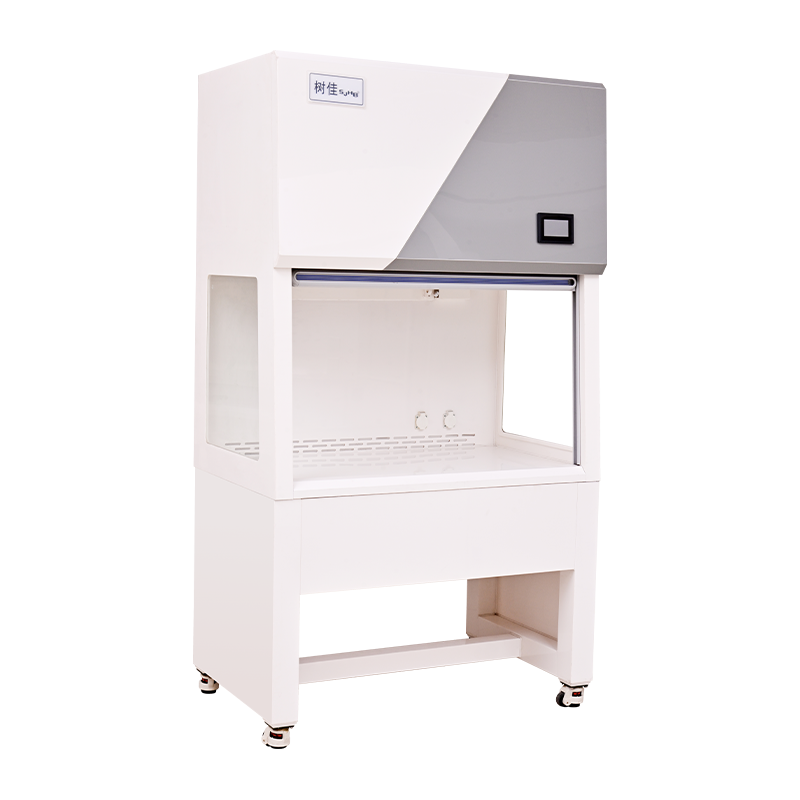
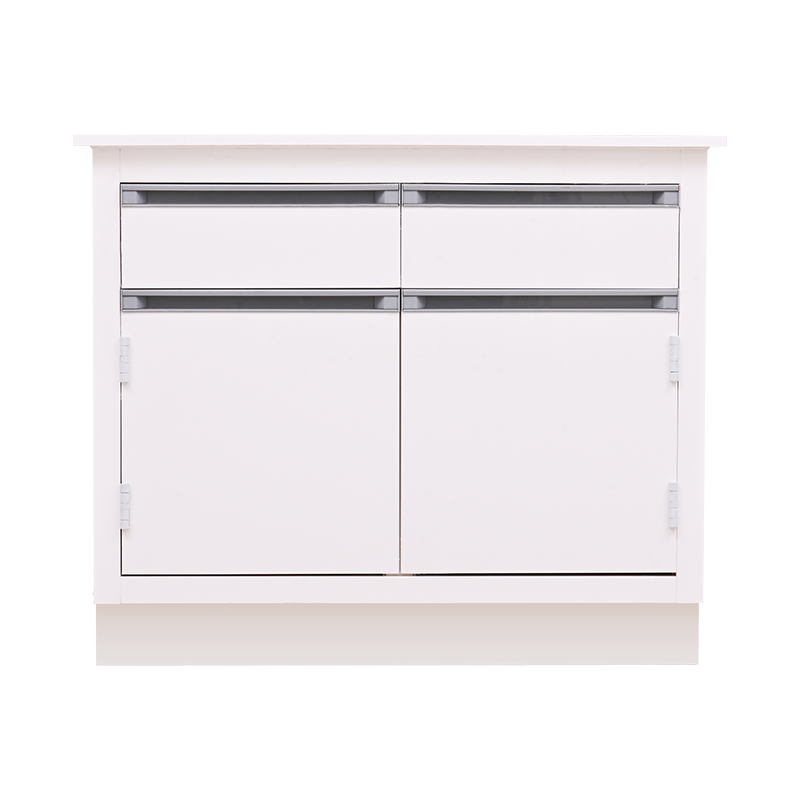
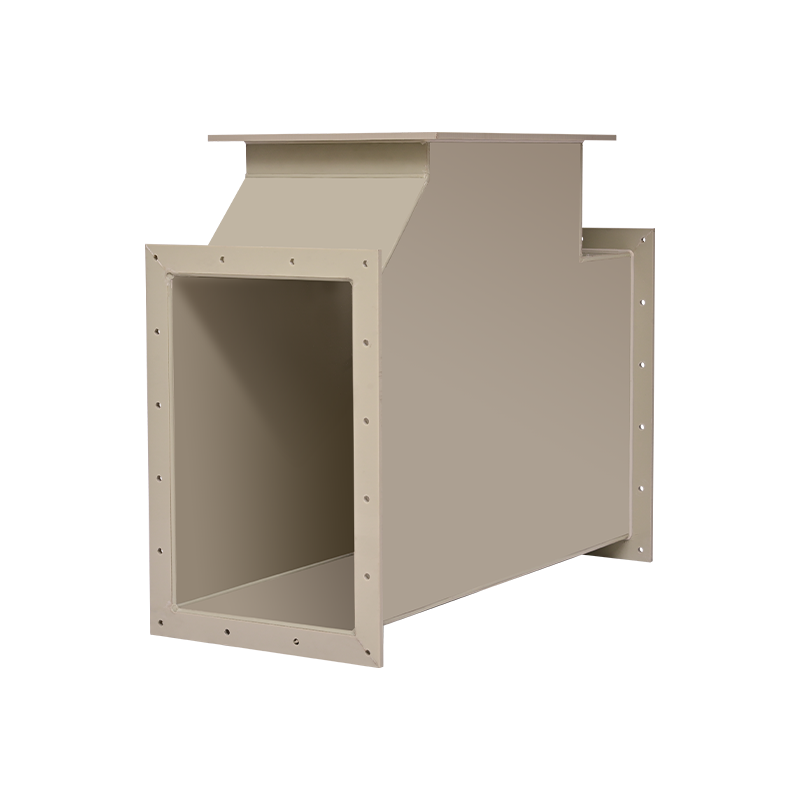
Walk into almost any busy laboratory and you will see the same quiet problem: people of different heights doing different tasks at benches built to one fixed height. A bench that feels right for one person can leave another reaching, stooping, or standing on tiptoe. Adjustable height laboratory benches are a practical answer to that everyday mismatch. They help a workspace fit the people and the science inside it.
In our work with university, biopharma, testing, and chemical labs, the most useful improvements are often the ones users feel at the end of a long shift. Height adjustability belongs in that group. It supports better posture, smoother task changes, and safer shared use of space, and those benefits reach into workflow and long-term flexibility.
Why Height Adjustability Matters in a Working Lab
Laboratory work is not one posture. A researcher may sit for microscopy, stand for titration, lean in for cell culture, or move between a keyboard and an instrument. Fixed-height benches force people to adapt their bodies to the furniture. Over time, small compromises add up.
Height-adjustable benches let the work surface meet the task. A seated bench can be lowered for comfortable forearm support. A standing bench can be raised for precise pipetting or sample handling. When several people share the same bench, each person can set a height that suits their body rather than accepting a compromise.
The Core Benefits of Adjustable Height Laboratory Benches
The advantages are easiest to understand when you look at how people actually use a lab. The list below reflects what we hear from laboratory managers, safety officers, and technicians.
Better ergonomics and less daily strain
An adjustable bench helps users keep wrists, elbows, and shoulders in a more neutral position. For seated work, the surface can be set so the forearms rest comfortably. For standing work, the bench can be raised to reduce bending and reaching. Good ergonomics is about matching height to the person and the task.
Safer transitions between tasks
Labs are full of small transitions: from a notebook to a balance, from a sample rack to a hood, or from a seated microscope to a standing bench. When the surface height is wrong, people compensate by twisting, leaning, or reaching across equipment. Adjustability reduces those awkward movements.
Shared spaces work better
Teaching labs, multi-user research labs, and contract testing facilities rarely have one fixed user. Students, visiting researchers, and technicians may differ in height and preference. An adjustable bench lets each person reset the workspace quickly, which is especially valuable where benches are used for long sessions and short checks throughout the day.
Long-term flexibility
Laboratory needs change. A bench used for one workflow today may support a different instrument or team next year. Adjustable height gives facility managers room to reconfigure without replacing the entire bench.
Matching Bench Height to the Work, Not Just the Room
There is no single height that suits every laboratory task. A general-purpose standing bench, a seated microscopy station, and a heavy equipment bench may all need different working levels. The table below gives a starting point for planning discussions, not a substitute for a proper ergonomic assessment or local safety guidance.
Typical height ranges are approximate and should be confirmed with the bench supplier, local ergonomics guidance, and a task risk assessment.
| Work style |
Approximate surface height |
Best use |
| Seated precision work |
650–750 mm |
Microscopy, fine assembly, seated sample preparation |
| General laboratory work |
750–900 mm |
Bench work that moves between sitting and standing |
| Standing wet work |
900–1000 mm |
Pipetting, titration, sample handling, cleaning |
| Adjustable range |
650–1000 mm or wider |
Shared labs, teaching spaces, multi-task benches |
When you compare options, look beyond the minimum and maximum height. Check the usable adjustment range, the load capacity at the highest setting, and whether the bench remains stable when a heavy instrument is placed on it. A wide range is helpful only if the bench stays solid and the controls are easy to reach.
Design Details That Make Adjustability Work
Height adjustment is a system, not a single mechanism. The frame needs to be stiff enough to resist movement during daily use. The lifting mechanism should be smooth, protected from spills, and simple to lock. Surfaces should resist the chemicals and cleaning agents used in the lab. Cable trays, plumbing, and service connections need enough slack to move with the bench without creating trip hazards.
For wet or corrosive environments, material choice matters as much as the adjustment range. Polypropylene work surfaces and corrosion-resistant frames can suit chemical exposure, while stainless steel may be preferred for cleanliness in other settings. The right combination depends on the work.
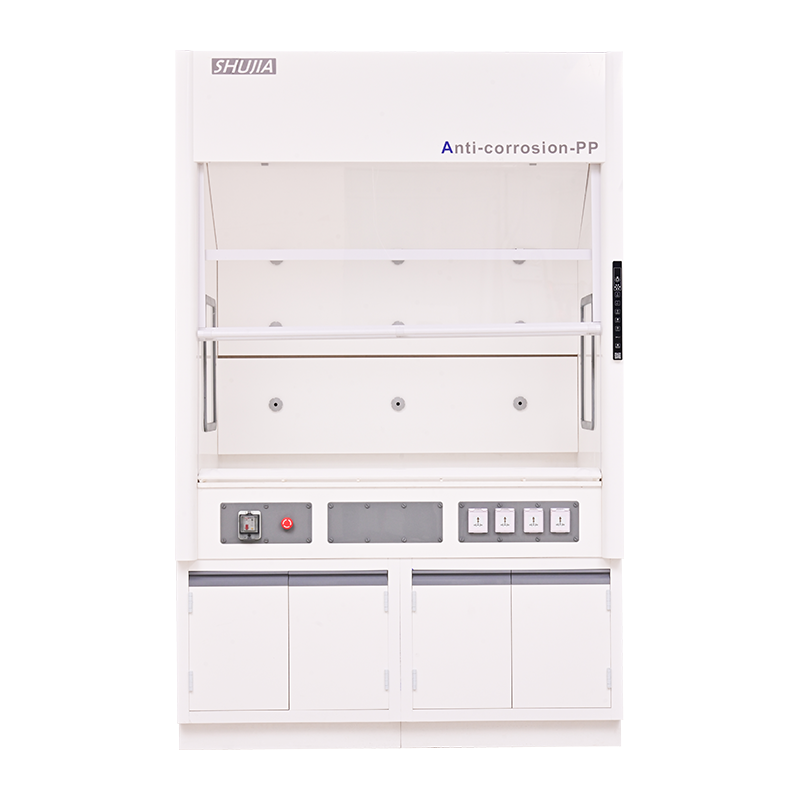 Professional Laboratory Furniture and Fume Hood SolutionsCovers PP lab benches, fume hoods, reagent cabinets, and clean benches with corrosion-resistant, customizable layouts for laboratory construction and renovation projects.View Product →
It is also worth planning the user experience. A hand crank may be fine for a bench adjusted occasionally. An electric height adjustment may be better for a shared teaching bench or a station used by several people each day. Clear height indicators, anti-pinch guards, and smooth start-stop motion help people use the feature confidently.
Adjustable Benches and Laboratory Ventilation
In labs with fume hoods or local exhaust, bench height can affect how comfortably and safely people work at the hood face. If a bench is too high, a shorter user may need to reach upward or stand farther back. If it is too low, they may lean in. Adjustable benches help users keep a more natural working position while respecting the hood's intended operating conditions.
Ventilation performance also depends on the broader system. Variable air volume controls respond to changes in airflow demand, while fume hood design, sash position, and room pressure all play a role. Height adjustability should be considered alongside those factors, not as a substitute for them.
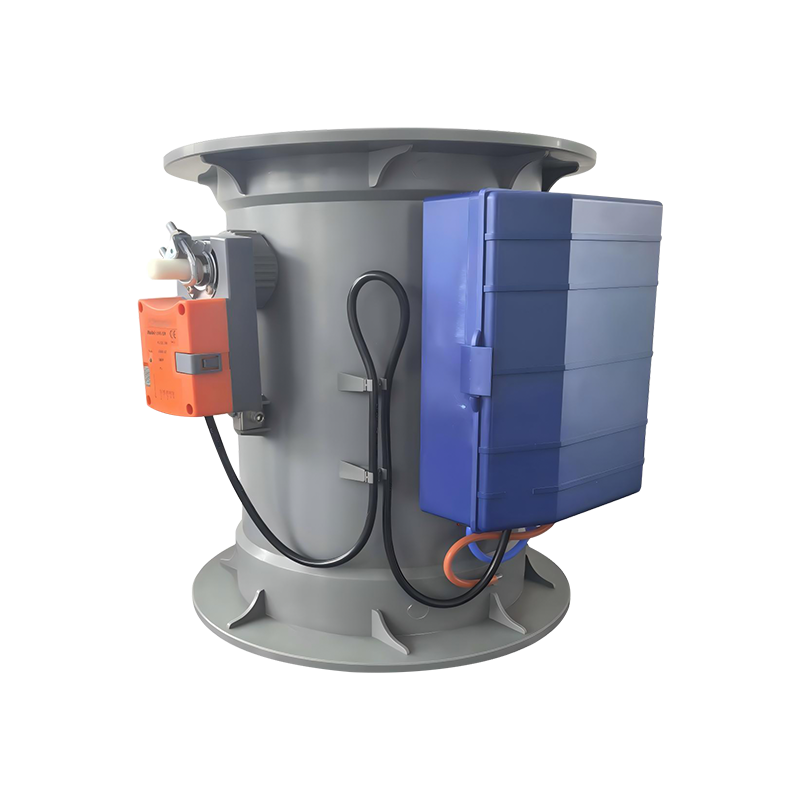 VAV High-Speed Damper Actuator for Fume HoodsDrive component for variable-air-volume fume-hood systems, offering fast 0–90° travel, precise positioning, and compatibility with venturi valves and butterfly dampers.View Product →
If you are planning a new lab or refurbishing an existing one, it helps to read practical guidance on fume hood selection and safety performance before finalizing bench heights and positions.
Common Mistakes to Avoid
Adjustable benches can deliver real benefits, but only when they are specified with care. A few common issues are worth catching early.
- Choosing adjustability without checking stability. A bench that wobbles at high settings can be less safe than a fixed bench. Ask about load testing and frame design.
- Ignoring service connections. Gas, water, vacuum, data, and power lines must move safely with the bench. Poor cable management can create hazards.
- Planning only for the average user. Shared labs need a range that covers shorter and taller users, not just a token adjustment.
- Forgetting training. Users should know how to adjust the bench, lock it, and report problems.
- Treating the bench as a standalone purchase. Bench height, chair height, footrests, storage, and hood position work together.
How to Choose the Right Adjustable Bench
A good selection process starts with the people and the tasks. Observe how the bench is used today. Ask users where they feel strain, which tasks require standing, and whether equipment access changes during the day. Then check the adjustment range, load capacity, surface material, and service routing against those needs.
- Confirm the usable height range for seated and standing work.
- Check stability and load capacity at the highest setting.
- Match the surface to chemical, cleaning, and cleanliness needs.
- Plan power, data, gas, water, and drainage with enough flexible travel.
- Choose manual or electric adjustment based on frequency and shared use.
- Include anti-pinch protection, clear controls, and a lockout method.
- Review local ergonomics guidance and laboratory safety requirements.
It is also reasonable to ask the supplier how the bench is installed, serviced, and integrated with ventilation or fume hood equipment. A bench is part of a room, not an isolated object.
Final Thoughts
Adjustable height laboratory benches offer a straightforward benefit: they let the workspace fit the people who use it. That can mean better posture, less fatigue, safer task transitions, and a more flexible lab over time.
As a company involved in laboratory furniture, ventilation, and environmental control, we have seen how small ergonomic decisions shape daily laboratory life. Our team has participated in drafting standards such as T/SLEA 0011-2023 for laboratory fume hoods and T/SLEA 1011-2023 for laboratory design and construction.
If you are planning a new laboratory or rethinking an existing workspace, talk with our team about how adjustable benches can fit your layout, safety requirements, and future workflow.

 EN
 English
 عربى


 +86-13472882970 (Mr. Zhang)